

 ENG
ENG
 Español
 عربى
عربى


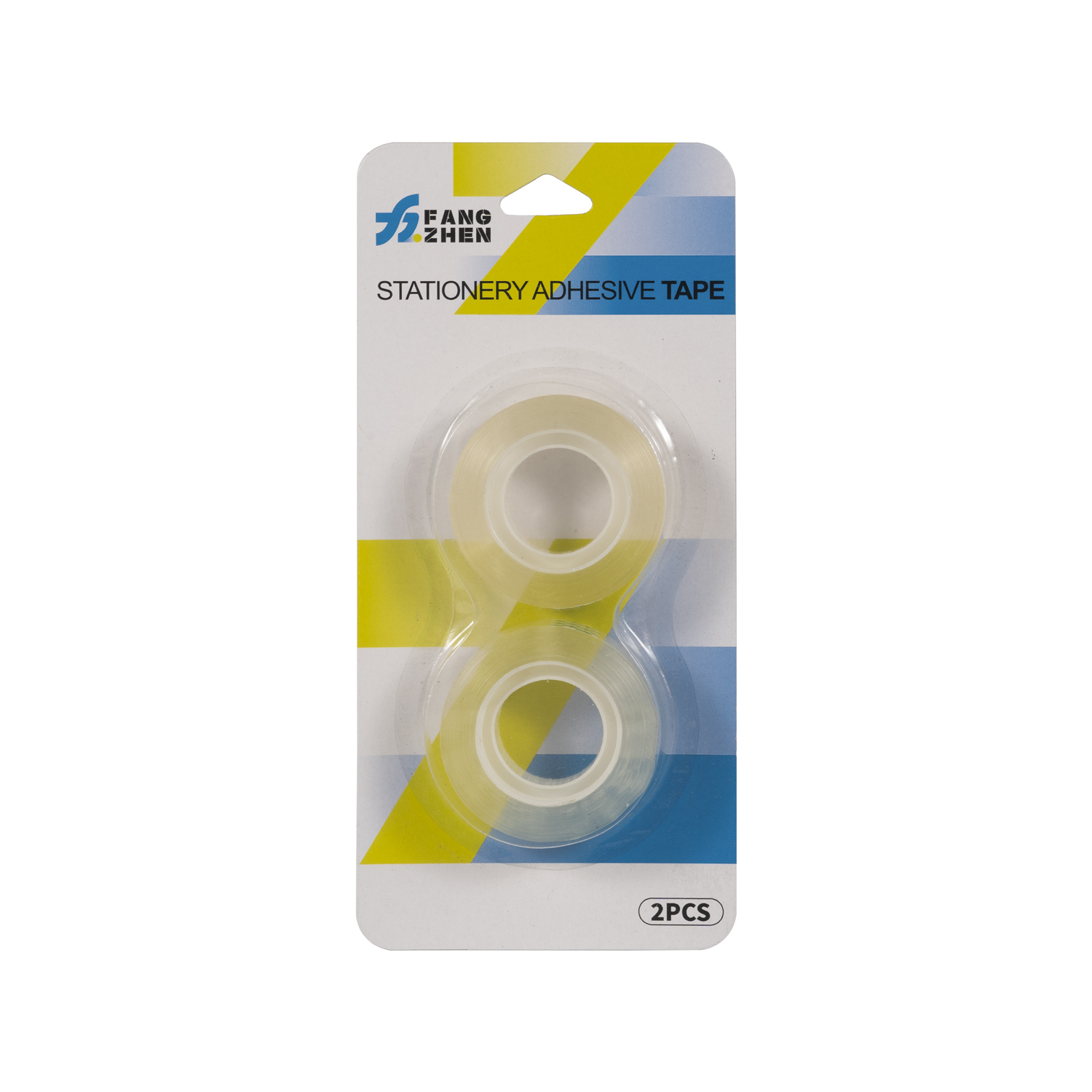
Adhesive Tape: A Practical Tool for Home and Industry
Adhesive tape is commonly used as a bonding solution across households, offices, and industrial settings. Its convenience and versatility make it an essential item for a wide range of applications, from simple repairs to complex assembly tasks. By providing immediate adhesion without additional tools or hardware, adhesive tape simplifies projects that might otherwise require more time-consuming methods such as screws, nails, or glue.
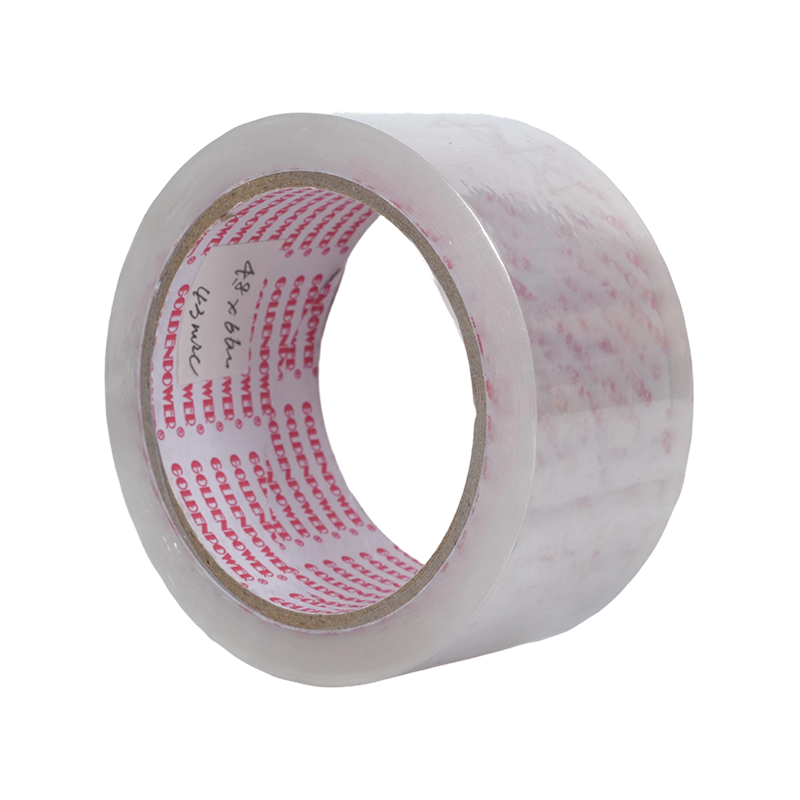
In everyday home use, adhesive tape is often employed for minor repairs and organizational tasks. It can be used to repair torn paper, bundle electrical cords, secure loose items, or attach lightweight decorations. Its clean and flexible nature makes it particularly suitable for applications where precision is important. For example, craft enthusiasts often rely on adhesive tape in projects like scrapbooking, model building, or home décor, where it provides a strong bond without altering the appearance of the materials. Foam or double-sided adhesive tapes are especially useful in these scenarios, as they add a slight thickness that helps secure uneven surfaces.
Industrial and professional applications of adhesive tape cover a wide range of tasks and functions across multiple sectors. In manufacturing, adhesive tape is often used to temporarily hold components in place during assembly, ensuring precise alignment before permanent fastening. It is also commonly employed to mask surfaces during painting or coating processes, protecting areas that should remain untouched while allowing clean, sharp lines. In electrical applications, adhesive tape provides insulation and helps organize wiring, contributing to both safety and efficiency on the production line. Its versatility allows it to serve multiple roles in a single workflow, reducing the need for additional tools or fasteners and streamlining operations.
The automotive and electronics industries, in particular, rely heavily on adhesive tapes to maintain quality and efficiency. In automotive production, specialized tapes are used to secure interior panels, protect painted surfaces, and temporarily hold components during assembly or transportation. Electronics manufacturers use adhesive tapes to stabilize delicate parts, hold wiring or circuit boards in place, and even provide insulation in sensitive areas, all while allowing for precise adjustments during assembly. To perform effectively in these demanding environments, adhesive tapes must meet rigorous standards related to temperature tolerance, humidity resistance, and surface compatibility. Choosing the right type of tape ensures consistent results, durability, and reliability, making it an essential tool for professional production and technical work.
The performance of adhesive tape depends on several key factors. The backing material can be paper, plastic, cloth, or foam, each offering different levels of strength and flexibility. The type of adhesive determines how well the tape sticks to various surfaces and whether it can be removed without leaving residue. Environmental conditions, such as temperature and moisture, can also influence adhesion. Selecting the appropriate tape for the intended use ensures that it maintains its bond over time while meeting safety and durability requirements.
Despite its practicality, adhesive tape is not a substitute for structural fasteners in load-bearing applications. While it excels in convenience, organization, and aesthetics, heavier or stress-bearing projects still require screws, bolts, or other mechanical solutions. However, for lightweight materials, temporary bonds, or applications where appearance matters, adhesive tape remains an effective and reliable choice.
In summary, adhesive tape continues to serve as a fundamental tool for both home and industrial purposes. Its flexibility, ease of use, and ability to bond a wide variety of materials make it an essential item for repairs, crafting, assembly, and organization. Whether used for everyday household tasks or professional manufacturing, adhesive tape provides a simple yet reliable solution for many bonding needs.

Social Info
Products
- 2026 New Products
- Packing Tape
- Duct Tape
- Masking Tape
- Double-Sided Tape
- Stationery Tape
- Nano Tape
- Foam Tape
- Foam Patch
- Special Adhesive Tape
- Kraft Paper Tape
- Glue Stick
Contact Us
-
 +86-13957952299
-
 salesteam@fangzhentape.com
-
 21 Juxian Road, Shangxi Town, Yiwu City, Zhejiang Province, China
Mobile QR Code
Copyright © 2025 Zhejiang Yiwu City Fangzhen Plastic Co., LTD.
China Adhesive Tape

