

 ENG
ENG
 Español
 عربى
عربى


Why Is Double Sided Tape So Popular for Home and Industry?
Double sided tape has become a widely used adhesive solution in both household and industrial settings. Its unique design, with adhesive on both sides, allows it to bond surfaces together cleanly and efficiently without the need for visible fasteners. This feature makes it particularly useful in applications where aesthetics and convenience are important. From home decoration to manufacturing assembly, double sided tape offers a simple yet versatile method for joining materials.
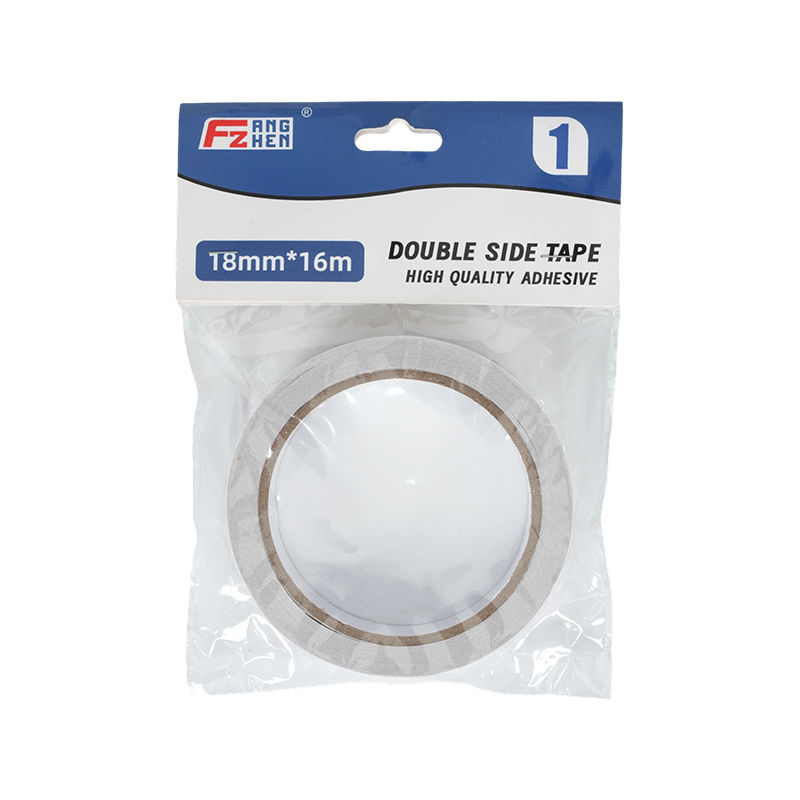
In households, double sided tape is commonly used for mounting photos, securing lightweight shelves, and attaching decorative elements. Its ability to provide a flat, invisible bond eliminates the need for nails, screws, or drilling holes, which can be especially beneficial for renters or anyone concerned with preserving walls and surfaces. Some types of tape are designed to be repositionable, giving users the flexibility to adjust placement without leaving marks or residue. Foam-based double sided tapes are particularly useful for uneven surfaces, as their thickness allows the tape to conform to textures while maintaining a strong grip. These properties make double sided tape a convenient tool for home organization, creative projects, and minor repairs.
In professional environments, double sided tape plays an important role in manufacturing and assembly. Industries such as automotive, electronics, and furniture production rely on its ability to secure components without traditional mechanical fasteners. For example, in electronics manufacturing, tape can temporarily hold delicate parts during assembly or permanently attach protective layers. In the automotive sector, it may be used to bond trim, insulation panels, or lightweight components, reducing the need for screws and improving assembly speed. Furniture makers often use double sided tape to attach veneers, edge banding, or decorative panels, creating a smooth and polished appearance without visible hardware.
The performance of double sided tape depends on several factors. Surface preparation is essential; clean, dry surfaces provide strong adhesion, while dust, oil, or moisture can weaken the bond. Environmental conditions such as temperature and humidity also influence performance, so choosing a tape designed for specific conditions is important. Additionally, the type of adhesive and the backing material determine how the tape behaves on different surfaces. Thin tapes work well for smooth, flat surfaces, while foam or thicker tapes are better suited for uneven or textured materials. Understanding these differences ensures reliable results in both home and industrial applications.
Double sided tape is also popular among crafters and hobbyists. Artists and DIY enthusiasts often use it in scrapbooking, model building, or other projects that require precise, clean adhesion. It can hold lightweight materials such as paper, foam, or fabric, and high-strength variants can even support small mirrors, signage, or electrical cables. Its flexibility for both temporary and long-term applications makes it an adaptable tool for creative projects as well as functional repairs.
While double sided tape is versatile, it is important to recognize its limitations. It is effective for light to moderate loads and should not be relied upon for heavy or structural applications. In such cases, mechanical fasteners or alternative bonding solutions may be more appropriate. However, when applied correctly, double sided tape can provide a reliable, unobtrusive bond that is both functional and aesthetically pleasing.
In conclusion, double sided tape remains a practical and widely used solution for bonding needs in homes, workshops, and industrial settings. Its ability to create clean, invisible bonds combined with flexibility, ease of use, and adaptability makes it a valuable tool for both everyday tasks and specialized projects. As a simple yet effective adhesive, double sided tape continues to meet the needs of a wide range of users, from professionals to hobbyists.

Social Info
Products
- 2026 New Products
- Packing Tape
- Duct Tape
- Masking Tape
- Double-Sided Tape
- Stationery Tape
- Nano Tape
- Foam Tape
- Foam Patch
- Special Adhesive Tape
- Kraft Paper Tape
- Glue Stick
Contact Us
-
 +86-13957952299
-
 salesteam@fangzhentape.com
-
 21 Juxian Road, Shangxi Town, Yiwu City, Zhejiang Province, China
Mobile QR Code
Copyright © 2025 Zhejiang Yiwu City Fangzhen Plastic Co., LTD.
China Adhesive Tape

