

 ENG
ENG
 Español
 عربى
عربى


How Insulating Tape Enhances Safety in Everyday Projects
Insulating tape is a versatile tool that plays an important role in both professional electrical work and everyday home projects. Originally designed to protect electrical wires and prevent short circuits, insulating tape has expanded its applications to include moisture protection, mechanical cushioning, and general safety enhancements in a variety of settings.
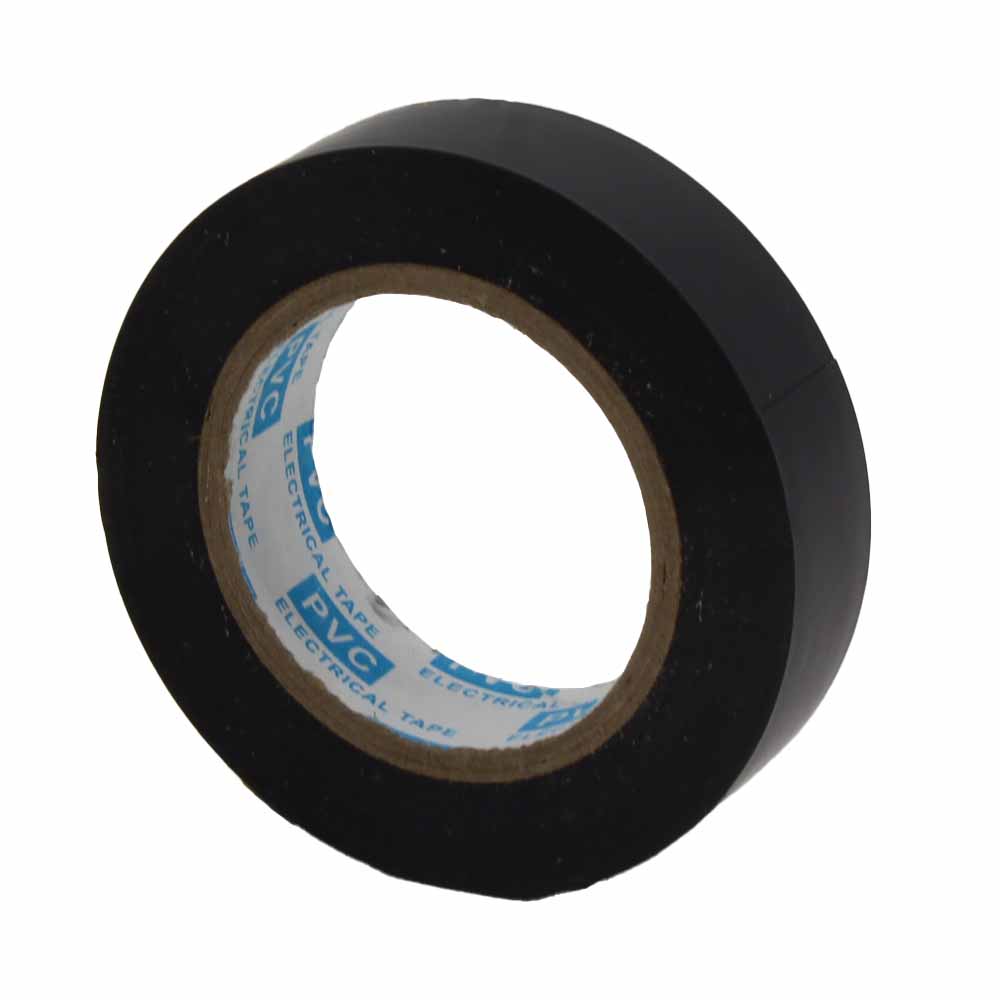
The primary function of insulating tape is to prevent the flow of electricity from exposed wires, which reduces the risk of electrical shocks and equipment damage. Modern insulating tapes are made from materials such as polyvinyl chloride (PVC) or rubber, with adhesives that allow them to securely stick to a range of surfaces while remaining flexible enough to wrap around irregular shapes. Some self-fusing tapes form a seamless protective layer without leaving any residue, making them suitable for long-term applications or environments where water or dust may be present.
In residential settings, insulating tape is commonly used for a variety of minor repairs. Homeowners often rely on it to secure loose cords behind entertainment centers, bundle wires neatly along walls or furniture, and cover exposed ends of cables to prevent accidental contact. Beyond simple organization, it provides a layer of safety by reducing the risk of sparks or short circuits, which can be especially important in homes with children or pets. Its flexibility allows it to wrap around irregular shapes, making it suitable for furniture edges, lighting fixtures, or small appliances where traditional fasteners might be impractical.
Insulating tape is also valuable for temporary fixes in electronics, lighting installations, and hobbyist projects that involve electrical components. For instance, DIY enthusiasts may use it to hold wires in place while testing circuits or to protect delicate components during soldering. Professionals often advise selecting tape that is rated for the specific voltage and temperature of the task to ensure durability and safe performance. Using tape with the appropriate specifications not only extends its lifespan but also provides consistent insulation under varying environmental conditions, making it a reliable solution for both everyday repairs and more specialized electrical work.
Insulating tape also finds applications beyond electricity. Gardeners and outdoor enthusiasts use it to wrap handles, secure equipment, or protect metal structures from corrosion. Even in workshops, the tape can be applied to tools and machinery to reduce vibration, prevent surface scratches, or temporarily hold small parts together. Its combination of adhesion, flexibility, and resistance to environmental factors makes it a practical choice for a wide variety of tasks.
When choosing insulating tape, several considerations matter. Thickness, elasticity, and heat resistance are important for high-demand applications, while ease of removal and residue-free adhesion may be more relevant for home projects. Different colors are often used for coding wires or identifying circuits, which helps professionals quickly recognize different lines and avoid mistakes.
Overall, insulating tape has become more than just a safety accessory for electricians. It is a reliable, flexible solution for a wide range of household and industrial applications, providing protection, organization, and durability wherever it is used.
FAQ:
Q: Can insulating tape be used outdoors?
A: Yes, but it is good to select a tape designed to resist UV light and temperature changes.
Q: What is self-fusing insulating tape?
A: It is a tape that bonds to itself without sticking to other surfaces, creating a seamless protective layer.
Q: Is insulating tape suitable for high-voltage applications?
A: Only if it is specifically rated for the voltage involved in the project.

Social Info
Products
- 2026 New Products
- Packing Tape
- Duct Tape
- Masking Tape
- Double-Sided Tape
- Stationery Tape
- Nano Tape
- Foam Tape
- Foam Patch
- Special Adhesive Tape
- Kraft Paper Tape
- Glue Stick
Contact Us
-
 +86-13957952299
-
 salesteam@fangzhentape.com
-
 21 Juxian Road, Shangxi Town, Yiwu City, Zhejiang Province, China
Mobile QR Code
Copyright © 2025 Zhejiang Yiwu City Fangzhen Plastic Co., LTD.
China Adhesive Tape

