

 ENG
ENG
 Español
 عربى
عربى


The Role of Paper Tape in Packaging
Paper tape is widely used in packaging, logistics, and manufacturing due to its versatility and practicality. Unlike plastic alternatives, paper tape can often be recycled along with cardboard, making it easier to manage in everyday operations. Its adhesive surface and paper base allow it to seal boxes, bundle items, and label products effectively while remaining lightweight and flexible.
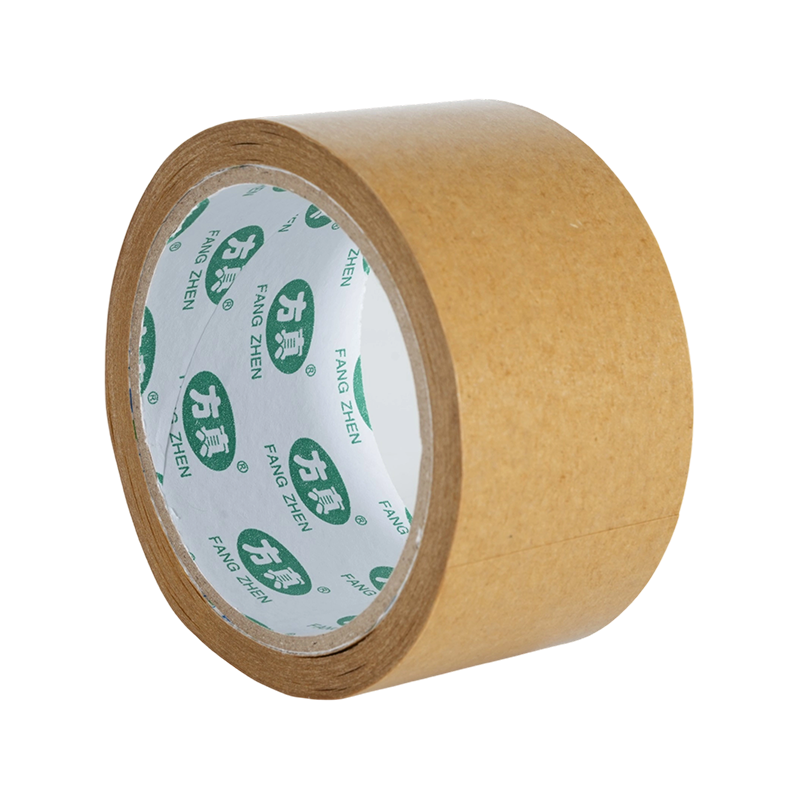
In packaging operations, paper tape is commonly applied for medium-weight shipments. It comes in different types, including water-activated tapes that provide strong adhesion and pressure-sensitive rolls for quick application. Many fulfillment centers report using hundreds of meters of paper tape daily for sealing cartons, which demonstrates its reliability in high-volume environments.
Paper tape is also used in specialized production processes. In electronics assembly, for instance, certain paper tape formats act as carrier material for small components. This helps maintain order during manufacturing and can be handled by automated equipment. Many industrial lines apply thousands of strips each day without issues of tearing or misalignment, showing consistent performance.
Customization is another frequent use. Printed paper tape can carry logos, product codes, or decorative patterns, allowing companies to enhance packaging while maintaining security. Printed tape can cover long-distance shipments while keeping adhesion intact even under varied temperature and humidity conditions.
Environmental considerations are often a key reason for choosing paper tape. Unlike plastic tape, paper tape can often be recycled along with cardboard, and some types are biodegradable, breaking down more easily in composting or disposal systems. In high-volume packaging operations, switching to paper tape can reduce the accumulation of non-recyclable materials significantly, contributing to lower environmental impact and supporting more sustainable packaging practices across businesses and warehouses.
Paper tape is not suitable for all conditions. Heavy-duty or moisture-exposed shipments may require stronger plastic alternatives. However, for most standard packaging and labeling tasks, paper tape provides sufficient strength, ease of use, and environmental advantages.
In addition to sealing and labeling, paper tape is applied in light-duty strapping, masking during painting or finishing, and temporary bundling. Its ability to tear easily by hand is appreciated in office, warehouse, or workshop settings. Rolls are compact and easy to store, available in various widths and lengths.
Overall, paper tape represents a material choice that balances practicality, recyclability, and convenience. It is widely used in packaging operations, light manufacturing, and creative projects, reflecting the value of simple, reliable, and eco-conscious materials.
FAQ
Q1: What makes paper tape different from plastic tape?
Paper tape can often be recycled with cardboard, some types are biodegradable, and it tears easily by hand, making it convenient for packaging and everyday use.
Q2: Can paper tape be used in automated packaging lines?
Yes, both water-activated and pressure-sensitive paper tape can be applied automatically in many packaging systems.
Q3: What applications suit paper tape best?
Sealing boxes, labeling, light-duty strapping, masking, bundling, and decorative packaging are common uses.
Q4: How strong is paper tape?
It provides sufficient strength for medium-weight boxes and standard packaging. Heavy or moisture-sensitive shipments may need stronger options.
Q5: Does paper tape support sustainability efforts?
Yes, it can reduce plastic waste, can often be recycled with cardboard, and some types are biodegradable, helping packaging operations reduce environmental impact.

Social Info
Products
- 2026 New Products
- Packing Tape
- Duct Tape
- Masking Tape
- Double-Sided Tape
- Stationery Tape
- Nano Tape
- Foam Tape
- Foam Patch
- Special Adhesive Tape
- Kraft Paper Tape
- Glue Stick
Contact Us
-
 +86-13957952299
-
 salesteam@fangzhentape.com
-
 21 Juxian Road, Shangxi Town, Yiwu City, Zhejiang Province, China
Mobile QR Code
Copyright © 2025 Zhejiang Yiwu City Fangzhen Plastic Co., LTD.
China Adhesive Tape

