

 ENG
ENG
 Español
 عربى
عربى


Double Sided Tape for Home and Craft Use
Double Sided Tape has emerged as a widely used and adaptable tool in home décor, DIY projects, and flooring management. Its fundamental design—featuring adhesive on both sides—provides an easy and efficient alternative to conventional fasteners such as nails, screws, or staples. This dual-sided adhesion allows users to attach, mount, or secure objects without causing permanent damage to surfaces, making it particularly appealing for renters, hobbyists, and anyone who prefers a clean, no-drill solution.
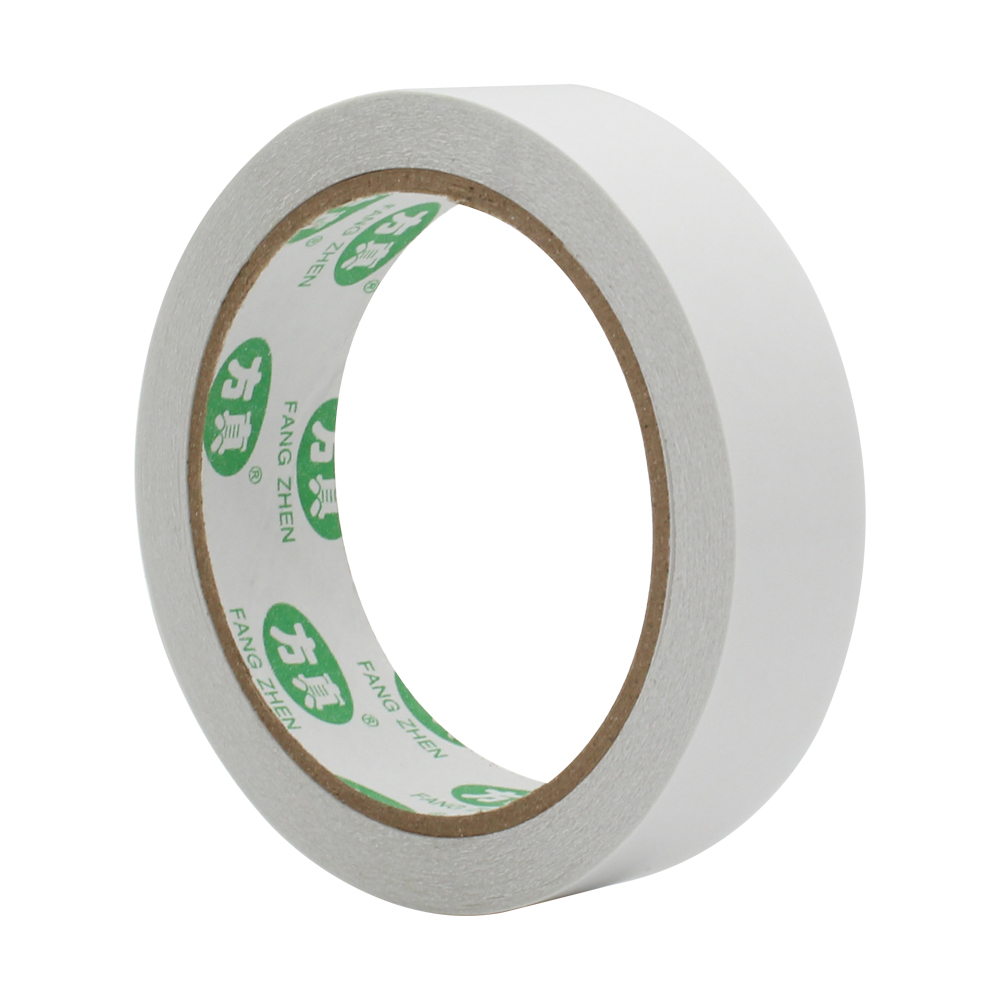
Beyond simple mounting, double-sided tape supports a wide variety of creative and practical applications, ranging from hanging photos, artwork, and decorative panels on walls, to crafting intricate paper or fabric projects, and even stabilizing rugs, mats, or textiles on floors. Its combination of convenience, flexibility, and minimal visible impact has contributed to its growing presence in both residential spaces and craft workshops, where users seek reliable yet unobtrusive ways to complete projects efficiently.
Home and Interior Decoration
In home improvement and interior decoration, double-sided tape is commonly used to mount lightweight objects and maintain clean surfaces. Typical applications include:
- Hanging photos, posters, and artwork without damaging walls
- Securing LED strips, decorative panels, or small hooks
- Attaching light decorative elements, such as wall decals or fabric panels
These uses are particularly helpful for renters or frequent redecorators, as the tape can be applied without creating permanent holes in walls. Smooth and clean surfaces generally provide the most reliable adhesion, while textured or porous walls may require specialized tape types.
Crafts and DIY Projects
Double-sided tape is also widely utilized in crafting and DIY projects. Its precision and minimal residue make it suitable for:
- Scrapbooking, card-making, and paper crafts
- Gift wrapping, ribbons, and packaging
- Lightweight fabric or textile assembly in hobby projects
In these contexts, thin or low-profile tape provides a neat appearance while allowing adjustments before final placement. Crafters often choose removable or repositionable tape for flexibility during complex projects.
Flooring, Carpets, and Textile Fixing
Beyond walls and crafts, double-sided tape can secure flooring materials, carpets, or mats. Common use cases include:
- Preventing rugs or carpets from slipping on smooth floors
- Holding mats in place on hard surfaces like tile or wood
- Fixing lightweight textile panels or fabric covers to furniture
Tape choice depends on the weight and texture of the materials. Carpet-rated tapes with stronger adhesive are generally preferred for heavier mats, while thin tapes may suffice for light rugs or temporary placements.
Tape Types and Surface Considerations
Different types of double-sided tape vary in thickness, adhesive strength, and suitability for specific surfaces. Key considerations include:
| Tape Type | Typical Use | Adhesion Notes |
|---|---|---|
| Thin / Standard | Lightweight frames, paper crafts | Works well on smooth surfaces; may not support heavier items |
| Foam / Heavy-Duty | Carpets, mats, or heavier décor | Provides cushioning and stronger hold; best on flat surfaces |
| Removable / Low-Residue | Temporary décor or repositionable crafts | Reduces risk of surface damage; may have lower overall adhesion |
| Industrial | Metal, plastic, or textured materials | High-strength bond; requires clean, dry surfaces for optimal performance |
Selecting the right tape involves evaluating both the surface and the weight of the object being mounted. Users often share experiences highlighting that cheaper or improperly matched tape may fail or leave adhesive residue, emphasizing the importance of choosing a product that aligns with the intended application.
Benefits and Practical Advice
Double-sided tape simplifies many tasks by offering:
- Clean, invisible adhesion
- Adjustable length and easy cutting to size
- Non-invasive mounting options for temporary or long-term placement
For optimal results, users are advised to:
- Clean and dry surfaces before applying tape
- Match tape type to surface texture and weight
- Test a small area before full application
Conclusion
From wall decor to craft projects and flooring stabilization, Double Sided Tape serves as a practical tool for homeowners, crafters, and hobbyists. Understanding the variations in tape type, adhesive strength, and surface compatibility allows users to select the most suitable solution for their needs. Its convenience, flexibility, and adaptability make it a common choice for both temporary and longer-term applications in domestic and creative environments.

Social Info
Products
- 2026 New Products
- Packing Tape
- Duct Tape
- Masking Tape
- Double-Sided Tape
- Stationery Tape
- Nano Tape
- Foam Tape
- Foam Patch
- Special Adhesive Tape
- Kraft Paper Tape
- Glue Stick
Contact Us
-
 +86-13957952299
-
 salesteam@fangzhentape.com
-
 21 Juxian Road, Shangxi Town, Yiwu City, Zhejiang Province, China
Mobile QR Code
Copyright © 2025 Zhejiang Yiwu City Fangzhen Plastic Co., LTD.
China Adhesive Tape

