

 ENG
ENG
 Español
 عربى
عربى


Industrial Applications of Adhesive Tape
Adhesive Tape supports many industrial and daily uses because it bonds, seals, insulates, and secures different materials. It plays a role in various working environments, supports equipment assembly, protects packaged goods, and assists in professional manufacturing.
Definition and Core Function
- Flexible bonding material suitable for utility and production
- Provides sealing, fastening, joining, and insulation
- Applies to smooth or textured surfaces and curves
- Works with materials including metal, plastic, paper, and films
- Easily stored in rolls and applied without large equipment
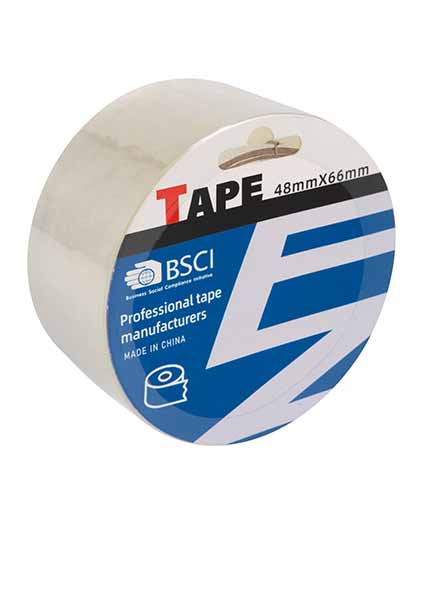
Packaging and Logistics
Used for carton sealing, shipping protection, and labeling.
Common widths include 48 mm and 72 mm.
Warehouses report steady usage, often sealing more than half of outbound parcels.
Benefits reported by packaging teams:
- Stable adhesion for long-distance transport
- Less waste compared with straps or rigid closures
- Reduced sealing time per box
- Clean application with manual or handheld dispensers
Additional notes:
- Transparent options allow barcode readability
- Brown film versions support cargo marking
Automotive Assembly
Used to attach interior trim, wiring harnesses, and decorative panels in vehicle cabins and dashboards.
It supports vibration damping and thermal insulation, helping protect sensitive wiring.
Practical results noted by assembly technicians:
- Reduced installation interruptions compared with hardware-based mounting
- No need for multiple fastening components
- Cleaner appearance without surface marks
- Ability to handle curved or angled parts
- Extra remarks:
- Useful during prototype adjustment and post-assembly refinement
Electronics Manufacturing
Used for display bonding, battery isolation, and connector stability.
Thin-film structure helps fit compact internal assemblies in small devices.
Internal audit results from production lines show:
- Reduced component shifting during movement
- Smooth layering without bulky spacers
- Low risk of electrical interference when insulating
- Additional advantages:
- Supports lightweight construction
Healthcare and Medical Use
Suitable for securing dressings, tubing, and small monitoring equipment.
Preferred properties include breathable, soft, and skin-compatible surfaces.
Hospitals commonly maintain several grades for different cases.
For caregivers, qualities include:
- No rigid hardware required
- Minimal discomfort during removal
- Reliable surface adhesion
- Further aspects:
- Useful in temporary and extended applications
- Supports convenient adjustments when dressings change
Construction and Building Maintenance
Used for insulation, seam sealing, and temporary fastening.
Useful during drywall installation, duct protection, and repairs.
Contractors value:
- Easy removal after completion
- Firm attachment during handling of materials
- Ability to apply over irregular surfaces
- Extra applications:
- Helps hold lightweight coverings during painting or sanding
Manufacturing and Fabrication Plants
Used for coil wrapping, padding, labeling, and pallet holding.
Controlled adhesion reduces product damage and keeps loads stable.
Observations from plant workers include:
- Smooth unwinding aids continuous operation
- Downtime due to roll replacement
Quality Considerations When Purchasing
Typical evaluation points:
- Adhesion level (low, medium, controlled, high)
- Tensile strength is measured during stretching
- Thickness level measured in microns
- Film backing type (PP, PVC, PE, paper)
- Roll length based on storage needs
- Ease of unwinding during application
- Further procurement notes:
- Tape color choices assist in labeling operations
- Uniform coating supports consistent sealing
User Feedback from Production Lines
Operators report steady workflow because of fast tear and smooth feed.
Inventory managers favor carton-packaged rolls for simplified counting.
Engineers request consistent adhesive properties to ensure repeatable results.
Additional observations:
- Tape fits into standard tool kits
- Training required for correct use
Technical Notes Useful for Procurement
- Available in transparent, brown, white, and pre-printed versions
- Can be applied by hand or dispenser tools
- Works in facility temperatures from normal warehouse levels up to moderately warm conditions
- Compatible with most carton and sheet surfaces
Summary
Adhesive Tape remains an important industrial bonding method. Its value comes from versatility, material compatibility, simple application, minimal space usage, and reliable sealing or fastening.


Social Info
Products
- 2026 New Products
- Packing Tape
- Duct Tape
- Masking Tape
- Double-Sided Tape
- Stationery Tape
- Nano Tape
- Foam Tape
- Foam Patch
- Special Adhesive Tape
- Kraft Paper Tape
- Glue Stick
Contact Us
-
 +86-13957952299
-
 salesteam@fangzhentape.com
-
 21 Juxian Road, Shangxi Town, Yiwu City, Zhejiang Province, China
Mobile QR Code
Copyright © 2025 Zhejiang Yiwu City Fangzhen Plastic Co., LTD.
China Adhesive Tape

