

 ENG
 Español
 عربى



How Can Better Nano Tape Selection Improve Everyday Mounting Applications?
As homes, offices, and retail spaces increasingly favor flexible organization and less permanent installation methods, adhesive products are being used in more situations than traditional mounting hardware can easily accommodate. Consumers want convenient ways to secure lightweight decorations, organize accessories, and arrange small household items without immediately drilling holes or installing permanent fixtures. For distributors and product buyers, Nano Tape offers an interesting solution, but its performance depends on more than adhesive strength alone. Surface compatibility, load requirements, environmental conditions, and removal methods all influence whether a particular tape is suitable for its intended application.
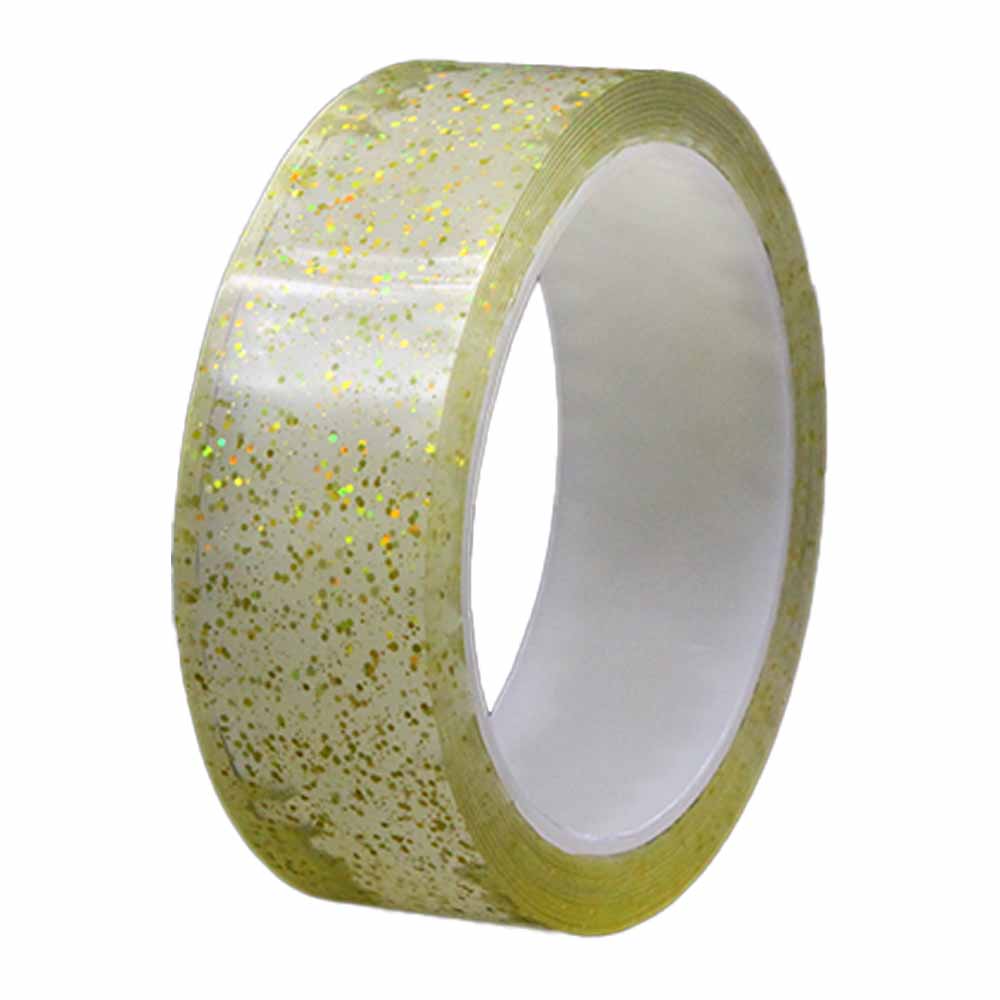
Understand the Surface Before Choosing the Tape
One common reason adhesive mounting products fail is that the surface has not been properly considered. Smooth glass, polished metal, sealed tiles, and certain plastics may provide suitable contact conditions, while dusty, rough, porous, or textured surfaces can reduce the effective contact area.
Before recommending Nano Tape for a particular application, buyers should identify the materials involved and consider their surface condition. Painted walls, wallpaper, unfinished wood, and delicate coatings require additional caution because removal may affect the underlying finish.
For manufacturers, providing clear application guidance is important. A product should be evaluated according to the surfaces it is designed to support rather than described as universally suitable for every material.
Match Adhesive Performance to the Actual Load
A tape intended to hold a small decorative accessory does not necessarily have the same requirements as one used for a heavier household organizer. Buyers should consider the weight, shape, contact area, and center of gravity of the object being mounted.
Adhesive performance is also influenced by how the load is applied. A flat object that distributes pressure across a larger contact area may behave differently from an item that creates pulling force at one edge.
When evaluating reusable double-sided nano tape, procurement teams should request relevant product specifications and conduct application tests under realistic conditions. Load-bearing claims should be supported by defined testing conditions instead of relying on a single demonstration.
Consider Humidity and Temperature Changes
Environmental conditions can influence adhesive behavior over time. Bathrooms, kitchens, windows, and areas exposed to direct sunlight may experience changes in humidity and temperature that affect mounting performance.
Buyers sourcing Nano Tape for household or commercial applications should ask about its intended operating conditions. It is also useful to understand whether the product has been evaluated under relevant temperature or humidity conditions.
Manufacturers should communicate any application limitations clearly. This helps distributors recommend suitable products and reduces the risk of customers using adhesive tape in environments outside its intended performance range.
Make Reusability a Practical Product Feature
Reusable adhesive products attract attention because they can offer flexibility when users rearrange their spaces. However, reusability should not be understood as unlimited repeated use under all conditions.
Dust, hair, grease, and other contaminants can collect on the adhesive surface and affect its performance. Cleaning methods and drying requirements also depend on the product's material and manufacturer instructions.
For buyers evaluating washable nano tape, useful questions include:
- How should the adhesive surface be cleaned?
- Does the product need to dry completely before reuse?
- Which contaminants may affect adhesion?
- Are there recommended limits on repeated applications?
- Which surfaces should be avoided?
Clear instructions help customers understand how to maintain the product and set realistic expectations about reuse.
Evaluate Removal and Residue Before Purchasing
Easy removal is an important consideration for renters, office users, retailers, and people who frequently reorganize their spaces. However, the result can vary according to the adhesive formulation, surface material, application duration, temperature, and removal technique.
A responsible product evaluation should include both holding performance and removal behavior. Buyers can test the tape on representative surfaces, observe whether adhesive residue remains, and check for possible damage to coatings.
It is important not to assume that removable adhesive products are completely damage-free on every surface. Manufacturers should provide appropriate warnings and usage recommendations based on product testing.
Review Product Specifications for Wholesale Orders
For distributors and private-label brands, purchasing decisions should include more than tape length or package appearance. Product thickness, width, adhesive characteristics, liner material, packaging format, and application instructions can all influence suitability for different sales channels.
Before confirming a bulk order, buyers should establish:
- Required dimensions and product configuration
- Intended applications and target customer groups
- Adhesion and removal performance expectations
- Packaging and labeling requirements
- Sample approval and inspection criteria
These details help manufacturers understand the intended product positioning and maintain more consistent expectations throughout production.
Develop Better Adhesive Solutions Through Application Testing
At the manufacturing level, Nano Tape development requires a balance between adhesion, flexibility, usability, and removal characteristics. A product designed for household organization may need different performance priorities from one intended for retail displays or office accessories.
Rather than evaluating adhesive strength in isolation, manufacturers should consider the complete user experience, from initial application to removal and possible reuse. For overseas buyers, working with a Nano Tape manufacturer that understands these practical requirements can make product selection more precise and support better communication with end users. By matching adhesive characteristics to real application conditions, Nano Tape can become a more useful option for flexible mounting and everyday organization.

Social Info
Products
- 2026 New Products
- Packing Tape
- Duct Tape
- Masking Tape
- Double-Sided Tape
- Stationery Tape
- Nano Tape
- Foam Tape
- Foam Patch
- Special Adhesive Tape
- Kraft Paper Tape
- Glue Stick
Contact Us
-
 +86-13957952299
-
 salesteam@fangzhentape.com
-
 21 Juxian Road, Shangxi Town, Yiwu City, Zhejiang Province, China
Mobile QR Code
Copyright © 2025 Zhejiang Yiwu City Fangzhen Plastic Co., LTD.
China Adhesive Tape

