

 ENG
ENG
 Español
 عربى
عربى


Practical Uses of Stationery Tape
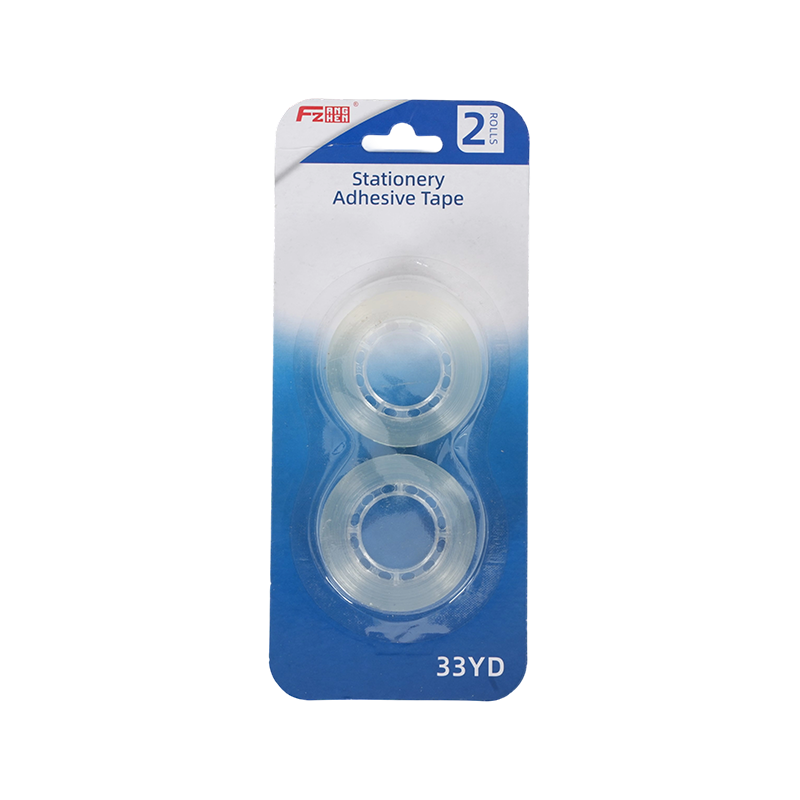
Stationery Tape is a simple yet useful product found in many homes, schools and offices, serving as a reliable tool for labeling, crafts, repairs, and everyday organization. Whether used to seal envelopes, secure loose pages, label storage boxes, or support school projects, Stationery Tape remains a handy and low-cost solution for small-scale tasks involving paper, light materials, or ordinary household items.
Home and Personal Use
- People often use stationery tape to seal letters and envelopes before mailing or storing.
- It works well for re-attaching torn pages in notebooks or documents.
- When reorganizing closets or drawers, users stick labels on boxes or containers with stationery tape.
- For temporary fixes — such as repairing minor tears on wrapping paper, or holding together fragile paper items — stationery tape offers quick solutions.
For example:
A family reorganizing old documents may use tape on 20–30 files — one roll is generally sufficient.
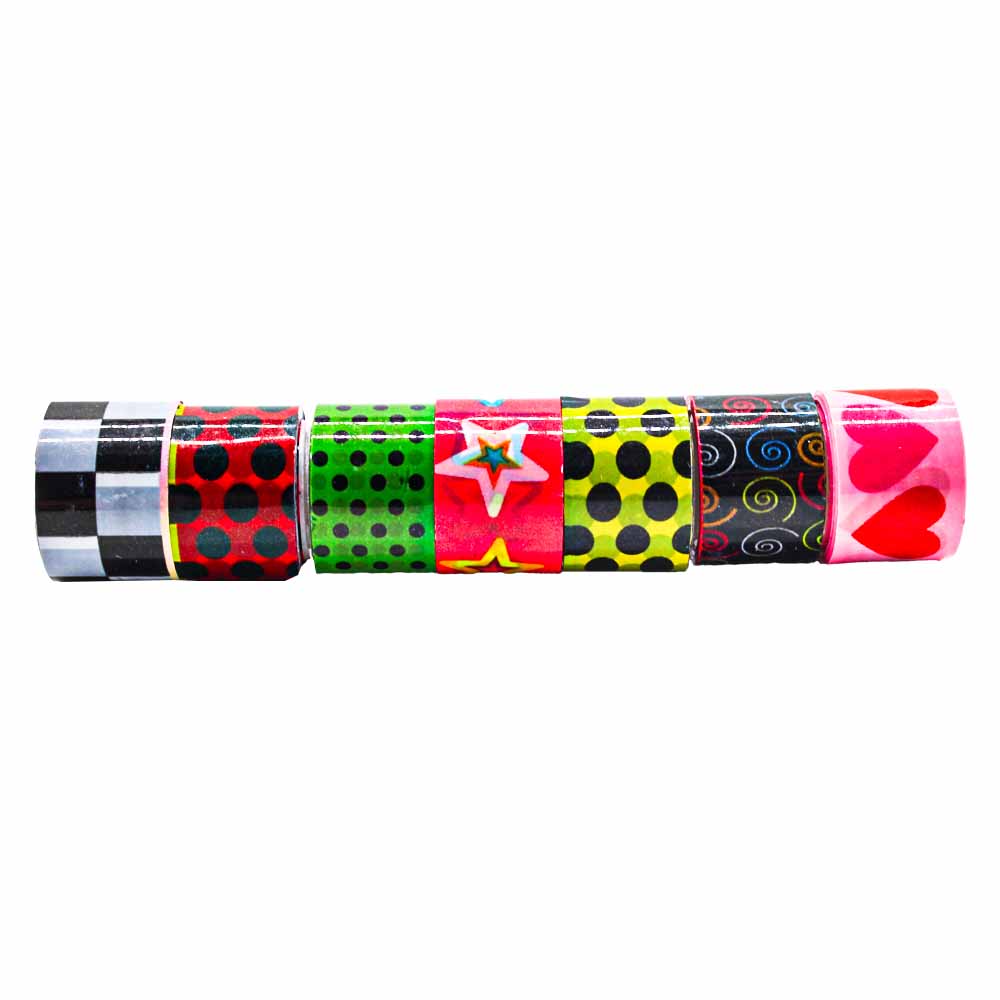
School, Art and Craft Projects
Stationery Tape frequently appears in classrooms and student projects. Teachers and students use it for:
- Securing cut‑out pieces on posters and science boards
- Holding decorations or diagrams in place
- Labeling sections of notebooks or group‑assigned folders
Office and Organization Settings
In offices — especially small businesses, shared workspaces, or administrative environments — stationery tape helps with everyday paperwork and organization tasks:
- Bundling of paperwork before filing or archiving
- Labeling of small inventory boxes, supply drawers, or sample folders
- Attaching temporary notes on notice boards or files
- Securing envelopes and mail‑outs
Many administrators find stationery tape helpful because:
- It’s easy to tear off and apply by hand
- It avoids the bulk of staples or clips when temporary binding is needed
- It keeps items together without damaging paper when removed
Packaging Light Items and Gifts
For light-duty wrapping — like greeting cards, gift envelopes, or small packages — stationery tape can replace heavier packing tape. Common uses include:
- Sealing gift wrap or small envelopes
- Holding card decorations, ribbons, or small add-ons in place
- Creating neat and minimal‑appearance wrapping for light gifts
Practical user observations:
- Tape holds securely for short-term display or transport
- Transparent or colored-tint tape adds minimal visual distraction on wrapping
- Suitable for indoor and light transport conditions
Buying and Use Considerations
When selecting stationery tape, people often check:
- Tape width — standard sizes fit envelope edges or notebook sides
- Adhesive strength — enough to hold paper, but easy to remove without tearing
- Clarity or tint — transparent versions preferred when the underlying text or design should be visible
- Roll length — typical rolls meet monthly or quarterly personal/office needs
Many households, teachers, or small offices replace tape roughly every 4–6 months, depending on frequency of use.
FAQ About Stationery Tape
Q1: Can stationery tape hold over heavy books or thick paper?
It works best on light paper, envelopes, or thin cardstock. For heavier materials, stronger adhesives or different tape types might be more reliable.
Q2: Is the tape easy to remove without residue?
Yes — for standard paper surfaces, tape usually peels off cleanly with gentle pulling.
Q3: Can you write on the tape?
Permanent markers or fine‑tip pens can write on transparent or lightly tinted tape, useful for labeling.
Q4: Is it suitable for labeling storage boxes or containers?
Yes — when boxes are light or hold soft items (clothes, paper, small items), stationery tape works adequately. For heavy loads, reinforced sealing might be safer.
Q5: Does tape transparency matter?
If you want visible text or graphics underneath, transparent tape preserves readability. Colored‑tint versions can help highlight labels or borders.
Summary
From sealing envelopes and repairing documents, to supporting school projects, office organization, gift wrapping, and light packaging — stationery tape offers flexible, low-cost solutions in many everyday contexts. Its gentle adhesive, compatibility with paper and light materials, ease of use by hand, and clean removal make stationery tape a common and practical tool for households, students, teachers, and small offices.

Social Info
Products
- 2026 New Products
- Packing Tape
- Duct Tape
- Masking Tape
- Double-Sided Tape
- Stationery Tape
- Nano Tape
- Foam Tape
- Foam Patch
- Special Adhesive Tape
- Kraft Paper Tape
- Glue Stick
Contact Us
-
 +86-13957952299
-
 salesteam@fangzhentape.com
-
 21 Juxian Road, Shangxi Town, Yiwu City, Zhejiang Province, China
Mobile QR Code
Copyright © 2025 Zhejiang Yiwu City Fangzhen Plastic Co., LTD.
China Adhesive Tape

