

 ENG
ENG
 Español
 عربى
عربى


Why Are Global Buyers Rethinking Industrial Packaging Materials in 2026?
The global logistics and manufacturing landscape is shifting faster than many businesses expected. Rising freight costs, stricter sustainability regulations, automated warehousing, and cross-border e-commerce growth are pushing packaging standards into a new phase. Buyers are no longer focused only on cost per roll or short-term procurement. Instead, they are evaluating durability, machine compatibility, shipping efficiency, and long-term supplier reliability.
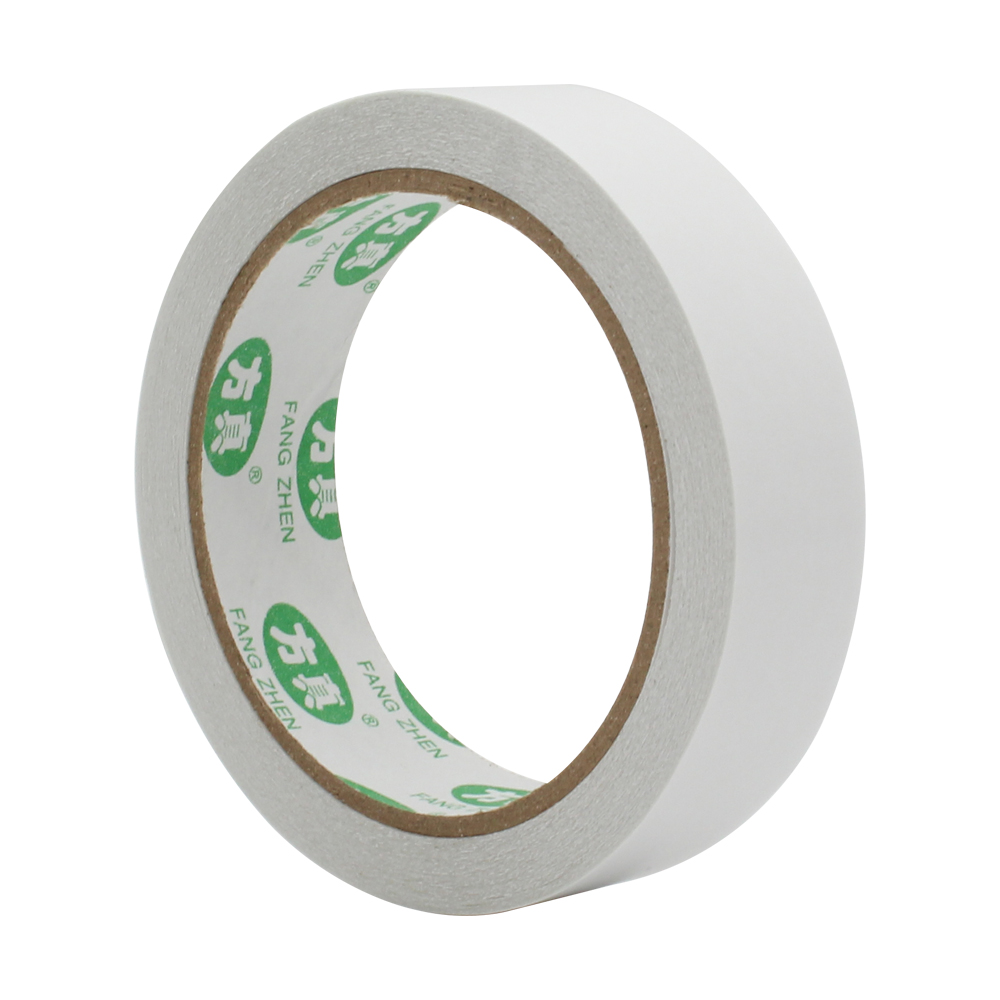
For manufacturers, distributors, and procurement teams, the challenge is no longer simply “finding adhesive materials.” The real question has become: how can packaging systems reduce operational risk while supporting faster, cleaner, and more scalable global supply chains?
The Packaging Industry Is Facing New Operational Pressure
Across Europe, North America, and Southeast Asia, warehouses are becoming increasingly automated. Conveyor systems, robotic sealing lines, and high-speed carton handling require packaging materials that perform consistently under pressure.
Traditional low-grade sealing materials often struggle with:
- Adhesive failure during long-distance transportation
- Temperature sensitivity in international shipping
- Residue issues on recycled cartons
- Weak cushioning performance for fragile products
- Inconsistent unwind tension in automated equipment
These problems may seem minor individually, but in high-volume logistics environments, they can lead to damaged goods, repacking costs, delayed delivery schedules, and customer complaints.
As a result, overseas buyers are actively searching for industrial packaging solutions with higher stability and broader application flexibility.
Why Conventional Solutions Are No Longer Enough
Many older packaging materials were originally designed for manual operations and relatively stable domestic shipping conditions. Today’s export-oriented supply chains are far more demanding.
For example, e-commerce brands shipping electronics, cosmetics, automotive parts, or industrial accessories often require packaging that can handle:
- Key Modern Packaging Requirements
- Long-duration container transportation
- Sudden humidity and temperature changes
- Automated sealing equipment
- Lightweight yet secure carton structures
- Sustainable or recyclable packaging strategies
In this environment, outdated adhesive systems may create more hidden costs than expected. Procurement teams are therefore placing greater emphasis on material engineering, adhesive consistency, and production quality control.
How Packing Tape Technology Is Evolving
Modern Packing Tape solutions are no longer simple carton-sealing products. Advanced manufacturers are now developing formulations designed specifically for export logistics, automated warehouses, and industrial packaging lines.
Recent industry trends include:
- Low-noise unwind technology for automated environments
- High-tack acrylic adhesive systems for temperature stability
- Solvent-free production processes aligned with sustainability goals
- Stronger backing films with reduced material thickness
- Custom printable surfaces for branding and traceability
For overseas buyers, these upgrades improve packaging consistency while reducing material waste and labor intervention.
Long-tail search demand has also increased significantly around terms such as:
- heavy duty carton sealing tape
- industrial packaging tape supplier
- custom printed shipping tape manufacturer
- low noise packing tape for automated lines
This reflects a broader market shift from generic products toward application-specific packaging solutions.
Foam Tape Is Becoming Essential Beyond Basic Bonding
In industrial assembly and protective packaging, Foam Tape applications are expanding rapidly. Modern manufacturers are increasingly using foam-based adhesive materials not only for cushioning, but also for vibration reduction, thermal insulation, surface mounting, and gap compensation.
Industries adopting these materials include:
- Automotive component assembly
- Consumer electronics packaging
- Construction and interior systems
- Appliance manufacturing
- Industrial equipment installation
Compared with traditional mechanical fixing methods, foam-based adhesive systems can help reduce assembly complexity while improving surface protection and appearance quality.
Demand is especially rising for:
- double sided foam tape manufacturer
- industrial mounting foam tape
- high density foam adhesive solutions
- shock absorption tape for electronics packaging
These search trends indicate that buyers are prioritizing multifunctional materials rather than single-purpose products.
This is why experienced manufacturers with mature production management and export knowledge are gaining more attention in international sourcing markets.
Smarter Overseas Procurement Strategies in 2026
For importers and distributors, choosing packaging materials based only on unit pricing can create hidden operational risks later.
Instead, many professional buyers are now evaluating:
- Total packaging lifecycle cost
- Application compatibility
- Transportation performance
- Sustainability compliance
- Supply chain stability
Requesting application testing samples before bulk purchasing has also become increasingly common, especially for automated packaging environments and specialized industrial uses.
Procurement managers are also paying closer attention to whether suppliers understand regional market standards, shipping requirements, and customization expectations.
The Future of Industrial Packaging Materials
The next stage of industrial packaging will likely focus on three major directions: automation compatibility, sustainability, and multifunctional performance.
As logistics networks continue evolving, packaging materials will play a more strategic role in protecting products, improving operational efficiency, and supporting brand value across global markets.
Manufacturers capable of combining material innovation, flexible production, and export-oriented service support are expected to remain highly competitive as international buyers continue upgrading their sourcing standards.

Social Info
Products
- 2026 New Products
- Packing Tape
- Duct Tape
- Masking Tape
- Double-Sided Tape
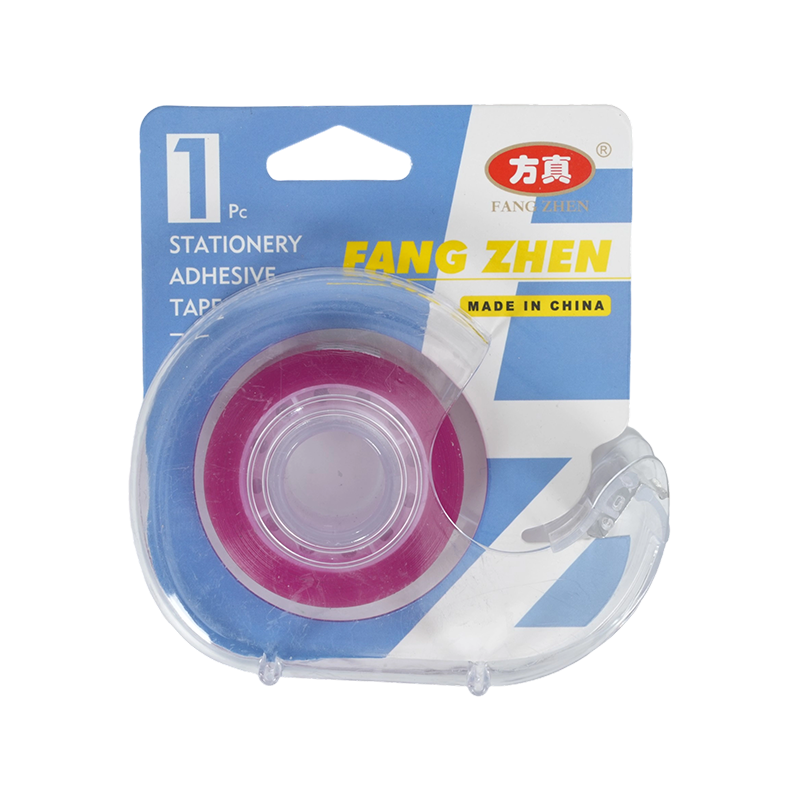
- Stationery Tape
- Nano Tape
- Foam Tape
- Foam Patch
- Special Adhesive Tape
- Kraft Paper Tape
- Glue Stick
Contact Us
-
 +86-13957952299
-
 salesteam@fangzhentape.com
-
 21 Juxian Road, Shangxi Town, Yiwu City, Zhejiang Province, China
Mobile QR Code
Copyright © 2025 Zhejiang Yiwu City Fangzhen Plastic Co., LTD.
China Adhesive Tape

