

 ENG
ENG
 Español
 عربى
عربى


How Can Buyers Keep Duct Tape Consistent Across Repeat Orders?
For distributors, industrial suppliers, and large-volume buyers, the first shipment is only one part of a successful Duct Tape purchasing program. When the same product is reordered, buyers expect the tape to maintain a familiar feel, appearance, adhesive behavior, and handling performance. Small differences between production batches can become inconvenient when the tape is already being used in established workflows. From a manufacturer's perspective, repeat-order consistency depends on controlling the complete production process rather than checking the finished roll alone.
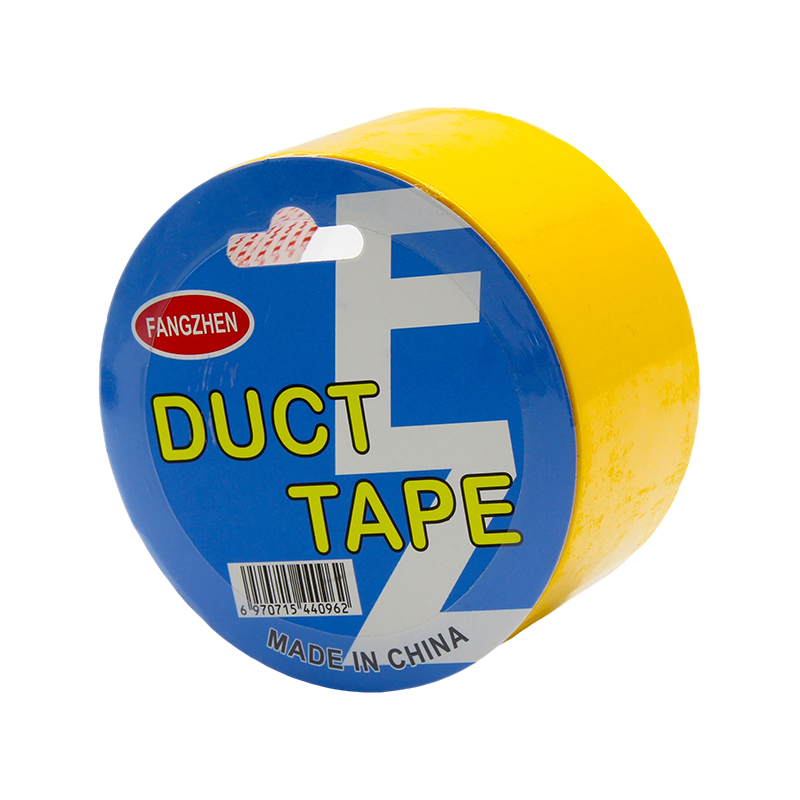
Define the Product Before the First Order
A repeatable product needs a clear specification from the beginning. General descriptions such as “heavy-duty tape” do not provide enough information for consistent manufacturing.
The buyer and manufacturer should confirm the main product characteristics, including the backing structure, adhesive requirements, dimensions, color, surface appearance, core, and packaging configuration.
Once these details are established, the approved sample can be connected with the written specification. This creates a practical reference for future production.
Keep Raw Materials Consistent
The performance of adhesive tape begins with its raw materials. Changes in the backing, adhesive components, or other production materials can influence the finished tape.
Manufacturers should control incoming materials according to the approved product requirements rather than treating visually similar materials as interchangeable.
For repeat orders, maintaining clear material records can also help production teams understand which material configuration corresponds with the buyer's approved product.
Control the Coating Process
Adhesive coating is a key manufacturing stage because the adhesive needs to be distributed consistently across the backing. Uneven coating can influence the way the finished tape feels and performs.
During production, manufacturers can monitor the coating process and inspect the coated material before it moves into subsequent stages. This creates an opportunity to identify irregularities earlier rather than discovering them only after finished rolls have been produced.
For buyers, this type of process control provides a stronger foundation for repeat production.
Pay Attention to Slitting and Rewinding
Even when the tape material itself is consistent, poor slitting or rewinding can affect the finished roll. Uneven edges, loose winding, telescoping, or inconsistent roll formation can make the tape harder to use and package.
The manufacturing process should therefore control the dimensions and winding condition of each finished roll.
Important inspection points can include:
- Roll width
- Edge condition
- Winding tightness
- Roll alignment
- Core position
- Surface appearance
These details are particularly important when the tape is supplied in standardized packaging.
Compare Finished Rolls With the Approved Reference
Final inspection should not depend on a single characteristic. A complete check can compare the finished product with the approved sample and specification.
The manufacturer can review appearance, dimensions, adhesive behavior, roll condition, packaging, and other agreed requirements. If a difference is identified, the production team can investigate its source before the product is released.
This approach helps turn quality inspection into a process-control tool rather than simply a final pass-or-fail decision.
Keep Batch Information Organized
Clear identification makes repeat production easier to manage. Each production batch can be associated with its relevant material configuration, manufacturing information, inspection results, and packaging details.
This becomes especially useful when a buyer orders several tape specifications at the same time. Similar-looking products can otherwise be difficult to distinguish during production and shipment.
For manufacturers, organized records also make future communication more efficient when buyers return for another order.
Protect Consistency During Packaging
The production process does not end when the tape is slit and rewound. Packaging can influence how the rolls are stored, transported, and identified.
Buyers should confirm packaging requirements together with the tape specification. The manufacturer can then ensure that roll labels, quantities, cartons, and other packaging details correspond with the approved order.
A consistent packaging system also makes warehouse handling easier for distributors and industrial users.
Build Repeat Orders Around a Stable Manufacturing Reference
For overseas buyers, consistent Duct Tape production is easier when every repeat order is connected to an approved sample and a detailed specification. The manufacturer can use this reference to manage raw materials, coating, slitting, rewinding, inspection, and packaging as parts of the same production system.
When the process is controlled from the material stage to the finished roll, buyers have a clearer basis for maintaining product continuity across different orders. For a Duct Tape manufacturer, this means quality is not limited to inspecting the final product; it is built through each production stage and carried forward into every repeat order.

Social Info
Products
- 2026 New Products
- Packing Tape
- Duct Tape
- Masking Tape
- Double-Sided Tape
- Stationery Tape
- Nano Tape
- Foam Tape
- Foam Patch
- Special Adhesive Tape
- Kraft Paper Tape
- Glue Stick
Contact Us
-
 +86-13957952299
-
 salesteam@fangzhentape.com
-
 21 Juxian Road, Shangxi Town, Yiwu City, Zhejiang Province, China
Mobile QR Code
Copyright © 2025 Zhejiang Yiwu City Fangzhen Plastic Co., LTD.
China Adhesive Tape

