

 ENG
ENG
 Español
 عربى
عربى


Is Strong Adhesion Enough When Choosing Duct Tape?
When buyers compare adhesive tapes for industrial, maintenance, packaging, or general repair applications, strong adhesion often becomes the first point of comparison. However, Duct Tape needs to do more than stick firmly to a surface. The backing material, flexibility, tear resistance, surface compatibility, temperature conditions, and intended application can all influence whether the tape performs as expected. For overseas distributors, contractors, and industrial buyers, understanding these differences can make product selection more practical and reduce the risk of choosing a tape that does not match the actual working environment.
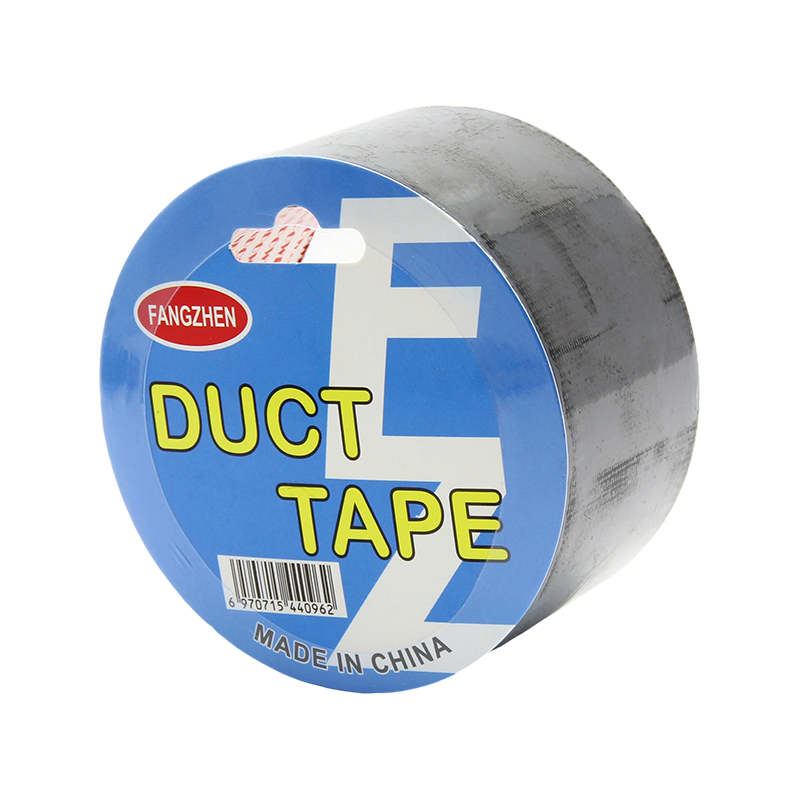
Start With the Surface, Not the Tape
The same tape may behave differently on different surfaces. Metal, plastic, glass, painted surfaces, fabric, wood, and rough materials can present different bonding conditions.
Before selecting a product, buyers should identify the surface where the tape will be applied and whether it is smooth, textured, clean, dusty, or exposed to moisture. A manufacturer can then evaluate the adhesive and backing requirements according to the application.
This approach is more useful than selecting a tape based only on a general description such as “high adhesion.”
Match the Backing With the Job
The backing gives duct tape much of its practical character. Different backing structures can provide different levels of flexibility, tearability, conformability, and handling convenience.
For repair work, the tape may need to follow irregular shapes. For bundling or temporary securing, ease of tearing and handling may be more important. In other applications, the buyer may need a more stable backing that resists stretching during use.
Manufacturers should therefore consider the complete tape structure rather than treating the adhesive as the only performance factor.
Think About Temperature and Working Conditions
A tape that works well in a controlled indoor environment may face different demands in outdoor or industrial applications. Temperature changes, humidity, surface conditions, and exposure time can all influence adhesive behavior.
Buyers should communicate the expected working conditions before confirming a product specification. Important information can include:
- Indoor or outdoor application
- Expected temperature range
- Short-term or extended use
- Exposure to moisture
- Surface condition
- Required removal behavior
This gives the manufacturer a clearer basis for selecting or developing a suitable tape construction.
Consider How the Tape Will Be Applied
Application method also affects product selection. Workers may need to tear the tape by hand, cut it with a tool, wrap it around irregular objects, or apply it over a relatively flat surface.
If the tape is difficult to handle, even suitable adhesive performance may not create an efficient working experience. Buyers should therefore consider roll width, length, backing flexibility, tear characteristics, and handling requirements as part of the purchasing decision.
For large-volume users, these details can influence how easily the product fits into routine work.
Check Adhesion After Application
Initial tack is only one part of adhesive performance. Buyers should also consider whether the tape remains attached after being applied to the intended surface and exposed to the expected conditions.
During sample evaluation, it is useful to observe the tape after application rather than removing it immediately. The manufacturer can also compare different constructions when the buyer has specific requirements for holding strength, flexibility, or removal.
A practical test should reflect the actual application instead of relying entirely on laboratory-style descriptions.
Define Specifications Before Bulk Orders
A clear product specification helps prevent misunderstandings when different tape versions look similar. Buyers should confirm the important characteristics before placing a larger order.
These may include:
- Backing material and structure
- Adhesive type
- Tape width and length
- Color
- Surface finish
- Core requirements
- Packaging configuration
Once a sample has been approved, the agreed specification can serve as the reference for production and future repeat orders.
Work With a Manufacturer on the Complete Tape Structure
For overseas buyers, sourcing Duct Tape should involve more than comparing adhesive strength or price. The right product depends on how the backing, adhesive, dimensions, and application conditions work together.
A manufacturer can evaluate these requirements during product development and adjust the tape construction according to the intended use. When buyers clearly define their working environment and application method, they can select Duct Tape with greater confidence and establish a more consistent specification for future purchasing. This makes the manufacturer a practical partner in developing tape solutions rather than simply a source of finished rolls.

Social Info
Products
- 2026 New Products
- Packing Tape
- Duct Tape
- Masking Tape
- Double-Sided Tape
- Stationery Tape
- Nano Tape
- Foam Tape
- Foam Patch
- Special Adhesive Tape
- Kraft Paper Tape
- Glue Stick
Contact Us
-
 +86-13957952299
-
 salesteam@fangzhentape.com
-
 21 Juxian Road, Shangxi Town, Yiwu City, Zhejiang Province, China
Mobile QR Code
Copyright © 2025 Zhejiang Yiwu City Fangzhen Plastic Co., LTD.
China Adhesive Tape

