

 ENG
ENG
 Español
 عربى
عربى


What Should Buyers Check Before Choosing Duct Tape for Industrial Applications?
For contractors, maintenance teams, packaging companies, and industrial distributors, selecting Duct Tape is becoming less about finding a general-purpose adhesive roll and more about matching tape performance to a specific job. Industrial tape suppliers are increasingly developing products around application requirements such as bonding, sealing, surface protection, repair, and packaging, while buyers are also paying closer attention to material selection and regulatory documentation. For procurement teams, the key question is therefore not simply whether a tape sticks, but whether it can maintain the required performance throughout the intended application.
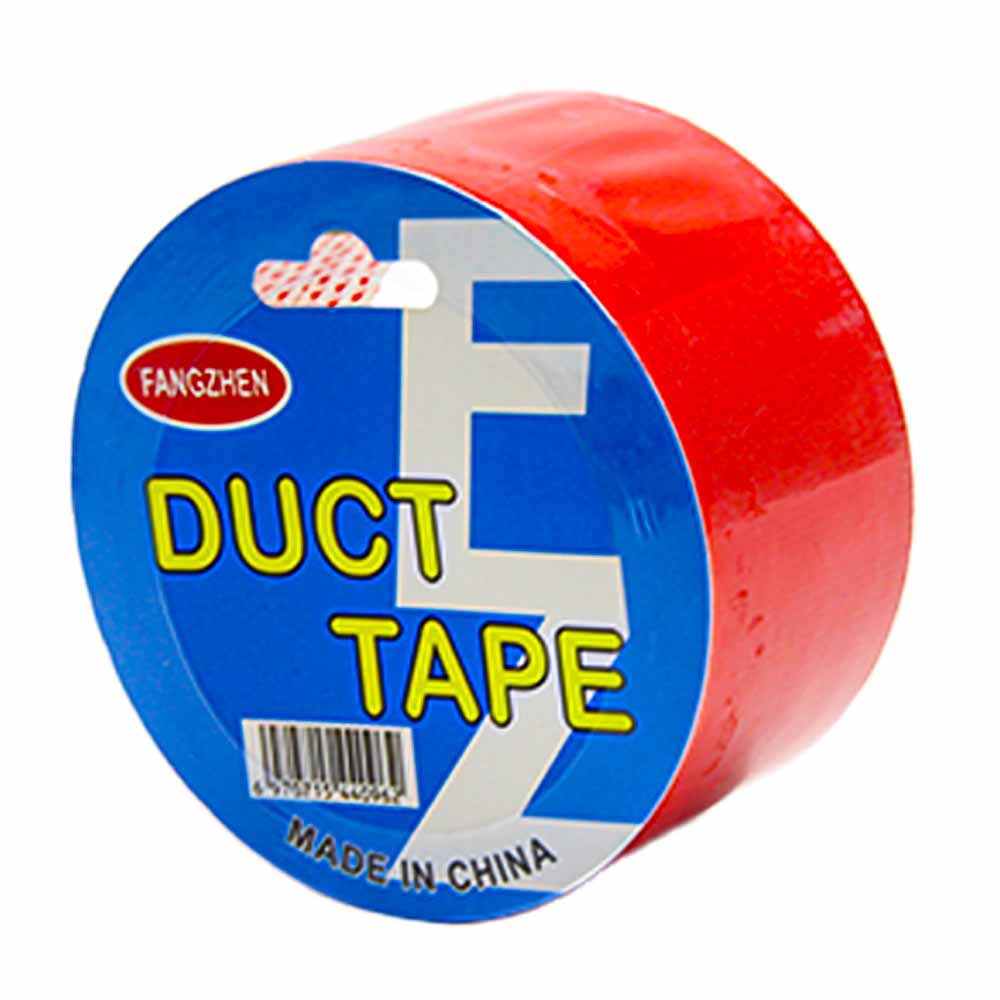
Match the Tape to the Job
Different applications place different demands on adhesive tape. Temporary repairs, duct sealing, bundling, surface protection, packaging, and general maintenance may require different combinations of adhesion, flexibility, tearability, and backing strength.
Before ordering, buyers should identify the surface, expected temperature, exposure to moisture, duration of use, and whether the tape needs to be removed cleanly. A clear application profile gives manufacturers a better basis for recommending an appropriate construction instead of treating every requirement as the same.
Adhesion Is More Than Initial Tack
Strong initial adhesion can make a tape feel effective during installation, but long-term performance depends on the interaction between the adhesive, backing, substrate, and environment. Dust, moisture, temperature changes, surface texture, and application pressure can all influence the final bond.
For industrial users, it is useful to evaluate the tape under conditions close to actual use. A product intended for a smooth indoor surface may behave differently on rough materials or in changing outdoor conditions. Manufacturers should therefore communicate application limitations clearly rather than relying on a single adhesion figure.
Backing Material Influences Daily Performance
The backing determines how a tape behaves when it is torn, stretched, wrapped, or exposed to external conditions. Buyers may need to compare fabric construction, thickness, flexibility, conformability, and surface finish depending on the application.
For example, maintenance teams may prioritize easy handling and conformability, while packaging or industrial users may place greater emphasis on tensile strength and controlled application. The right balance depends on the job rather than on one universal specification.
Consider Temperature and Working Conditions
Environmental conditions can change adhesive performance significantly. Before purchasing, engineers should consider whether the tape will be used indoors or outdoors, exposed to heat or cold, subjected to moisture, or applied to surfaces that are not perfectly clean.
This is particularly important when tape is used as part of a temporary repair or sealing process. If the operating environment is demanding, buyers should discuss the expected conditions with the manufacturer and request application-specific testing where appropriate.
Sustainability Is Entering Tape Procurement
Environmental considerations are becoming more visible in adhesive tape purchasing. Current industry discussions include lower-impact materials, packaging requirements, VOC considerations, and regulatory documentation, while European tape suppliers are also monitoring requirements associated with REACH and the Packaging and Packaging Waste Regulation.
This does not mean every application requires the same material solution. Instead, buyers should ask suppliers for accurate information about backing materials, adhesive systems, packaging, and available compliance documentation before making environmental claims about a product.
What Should Buyers Ask a Manufacturer?
A reliable sourcing process should cover more than price and roll dimensions. Procurement teams can ask about adhesive type, backing construction, thickness, width, length, color options, application temperature, packaging, testing, and available customization.
For manufacturers, consistent production is equally important. Raw-material control, coating, curing, slitting, rewinding, and finished-roll inspection can all affect the final product. Maintaining stable specifications across repeat orders helps distributors and industrial customers reduce unexpected differences between production batches.
When Does Customization Make Sense?
Standard tape may be suitable for common maintenance and packaging applications, but OEM customers and distributors may require different widths, lengths, colors, packaging formats, or adhesive characteristics. Customization can also help a buyer develop products for a particular customer group instead of competing only through price.
As a manufacturer, we focus on understanding the application before confirming production specifications. By connecting adhesive selection, backing construction, converting, inspection, and packaging requirements, we can support buyers looking for a Duct Tape solution that fits their actual working conditions. For overseas procurement teams, discussing the application in detail with a manufacturer before ordering Duct Tape can help create a more consistent product specification and reduce avoidable sourcing problems.

Social Info
Products
- 2026 New Products
- Packing Tape
- Duct Tape
- Masking Tape
- Double-Sided Tape
- Stationery Tape
- Nano Tape
- Foam Tape
- Foam Patch
- Special Adhesive Tape
- Kraft Paper Tape
- Glue Stick
Contact Us
-
 +86-13957952299
-
 salesteam@fangzhentape.com
-
 21 Juxian Road, Shangxi Town, Yiwu City, Zhejiang Province, China
Mobile QR Code
Copyright © 2025 Zhejiang Yiwu City Fangzhen Plastic Co., LTD.
China Adhesive Tape

