

 ENG
 Español
 عربى



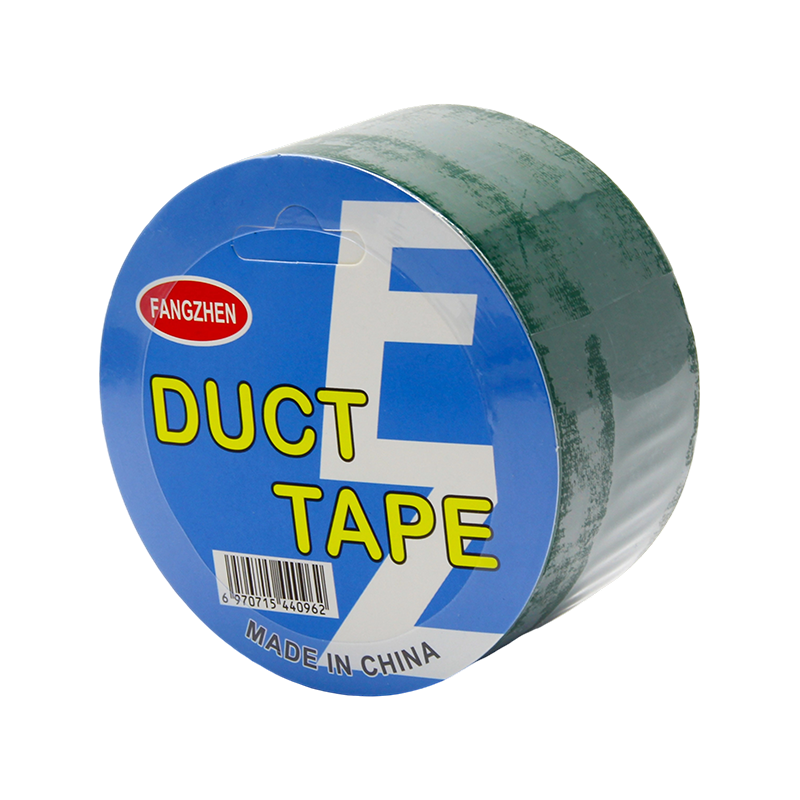
How Can Buyers Turn a Duct Tape Requirement Into a Clear Custom Specification?
Custom adhesive tape projects often begin with a simple request: a buyer needs a Duct Tape that behaves differently from a standard product. However, descriptions such as “stronger,” “thicker,” or “more flexible” do not always give a manufacturer enough information to create the right product. For overseas distributors, industrial buyers, and private-label customers, the key is to translate the actual application into measurable product requirements. A clear specification helps the manufacturer develop samples more efficiently and gives both sides a reliable reference before bulk production.
Describe the Job the Tape Needs to Do
The first question should not be which tape to buy, but what the tape needs to accomplish. A product used for bundling may require different characteristics from one intended for temporary repair, sealing, protection, or surface holding.
Buyers should explain the application, the material being bonded, expected duration of use, and the working environment. These details give the manufacturer a better understanding of the required balance between adhesion, flexibility, backing strength, and handling.
A practical application description is often more useful than a generic performance label.
Select the Backing Structure Around the Application
The backing is responsible for much of the tape's physical behavior. Its construction can influence flexibility, tear characteristics, conformability, and resistance to handling.
For irregular surfaces, a buyer may need a tape that follows contours without becoming difficult to apply. For wrapping or bundling, controlled flexibility may be more important than simply increasing thickness.
The manufacturer can evaluate these requirements together and determine which backing structure is appropriate for the intended use.
Define Adhesive Requirements More Precisely
Adhesion is not a single characteristic. Buyers may care about initial tack, holding ability, removal behavior, or performance after the tape has remained on the surface for a certain period.
Instead of requesting “maximum adhesion,” buyers should describe the actual requirement. The surface type and expected application conditions should also be provided.
For customized products, this information helps the manufacturer select an adhesive construction that is better aligned with the application rather than simply increasing adhesive strength without a clear purpose.
Confirm Dimensions Before Production
Tape dimensions can affect both application efficiency and packaging. Width and roll length should therefore be confirmed before the final specification is approved.
Buyers should also clarify the core size, roll format, and whether individual rolls need a specific presentation. These details may seem secondary during product development, but they become important when the tape is prepared for distribution or integration into a customer's existing workflow.
A complete dimensional specification prevents different interpretations during production.
Make Color and Surface Requirements Specific
For industrial and private-label orders, color may be part of product identification as well as appearance. A general color name may not provide sufficient guidance when the buyer requires a particular shade.
The manufacturer can work from an approved physical reference when color accuracy matters. Surface appearance should also be described clearly if the project requires a particular finish or texture.
For repeat production, the approved reference should remain connected to the product specification.
Use Samples to Confirm the Complete Product
A customized tape should be evaluated as a complete product rather than judging each characteristic separately. The buyer should check how the tape feels in the hand, tears or cuts, adheres to the intended surface, conforms during application, and looks after use.
A sample review can cover:
- Backing flexibility
- Adhesive behavior
- Tear and handling characteristics
- Width and roll formation
- Color and surface appearance
- Packaging format
Feedback should be specific so the manufacturer knows exactly which part requires adjustment.
Connect Packaging With the Product Specification
For large orders, packaging is part of the purchasing requirement. Buyers may need individual labels, customized cartons, specific roll quantities, or other identification details.
These requirements should be confirmed before bulk production rather than added after the tape has already been manufactured. Clear packaging information also helps the manufacturer keep different customized products separated during production and shipment.
Build the Final Specification With the Manufacturer
For overseas buyers, successful Duct Tape customization depends on turning application needs into a clear production reference. The manufacturer can help connect the intended use with the backing, adhesive, dimensions, color, surface, and packaging requirements.
When the approved sample and written specification are aligned, future production becomes easier to control and repeat. For a Duct Tape manufacturer, this process also creates a practical foundation for customized development, allowing the final product to be built around the buyer's actual application rather than a vague description of what the tape should do.

Social Info
Products
- 2026 New Products
- Packing Tape
- Duct Tape
- Masking Tape
- Double-Sided Tape
- Stationery Tape
- Nano Tape
- Foam Tape
- Foam Patch
- Special Adhesive Tape
- Kraft Paper Tape
- Glue Stick
Contact Us
-
 +86-13957952299
-
 salesteam@fangzhentape.com
-
 21 Juxian Road, Shangxi Town, Yiwu City, Zhejiang Province, China
Mobile QR Code
Copyright © 2025 Zhejiang Yiwu City Fangzhen Plastic Co., LTD.
China Adhesive Tape

