

 ENG
 Español
 عربى



What Should Buyers Inspect When a Duct Tape Shipment Arrives?
Receiving a large shipment of adhesive tape is not the end of the purchasing process. For distributors, industrial buyers, and procurement teams, incoming inspection provides an opportunity to confirm that the delivered product matches the approved sample and purchasing specification. Duct Tape may appear uniform from the outside, but details such as roll dimensions, winding condition, backing appearance, adhesive behavior, and packaging can affect how the product performs after it enters storage or daily use. A practical receiving process helps buyers identify differences early and gives manufacturers clearer feedback when adjustments are needed.
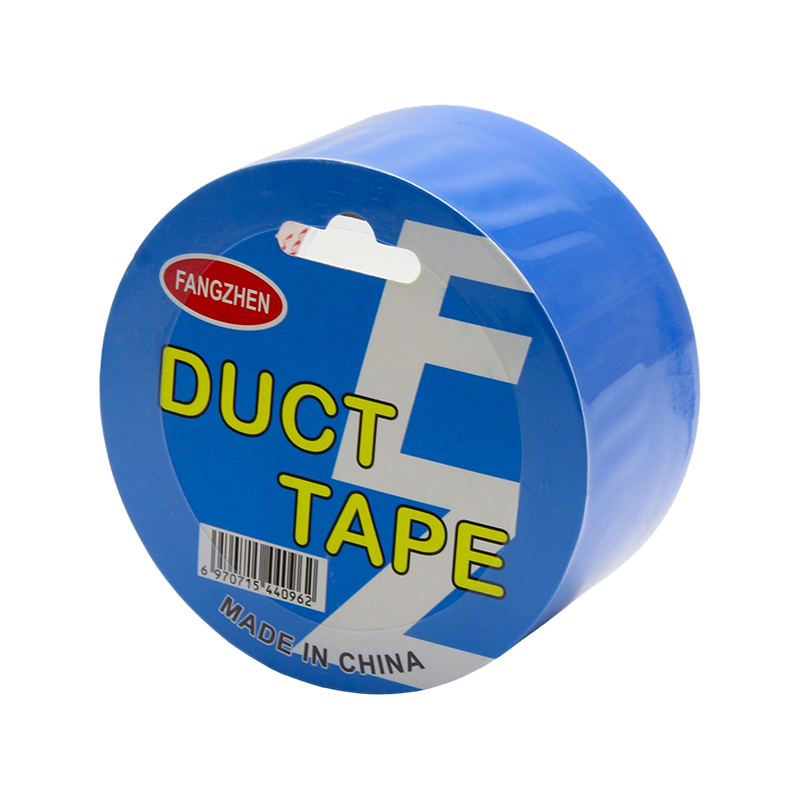
Start With the Shipment Condition
Before opening individual rolls, buyers should first examine the condition of the outer packaging. Damaged cartons, crushed corners, moisture exposure, or signs of rough handling may indicate that the shipment needs closer inspection.
The condition of the packaging should be recorded before the products are distributed internally. If several cartons are involved, buyers can also compare their labels and product identification to make sure the correct specifications have arrived.
This first check provides a simple starting point before inspecting the tape itself.
Compare the Product With the Approved Sample
The approved sample should remain an important reference during incoming inspection. Buyers can compare the delivered tape with the sample in terms of overall appearance, surface condition, color, backing feel, and general roll construction.
A visual comparison does not replace functional testing, but it can quickly reveal obvious differences between the shipment and the product that was previously approved.
For repeat orders, keeping the reference sample properly identified can make this comparison much easier.
Check Roll Dimensions and Winding
Roll dimensions should correspond with the agreed specification. Width, roll diameter, core size, and winding condition can all influence how the tape is stored and used.
Buyers can inspect whether the roll edges are reasonably even and whether the tape is wound securely. Loose, uneven, or displaced winding may create handling problems during application.
For large-volume orders, checking samples from different cartons can also provide a broader view of production consistency.
Evaluate the Adhesive in the Intended Application
Adhesive performance should be evaluated on a surface that represents the actual use of the product. A tape may behave differently depending on whether it is applied to a smooth, rough, clean, painted, or otherwise treated surface.
A practical receiving check can include:
- Initial adhesion
- Holding condition after application
- Ease of application
- Tape conformability
- Removal behavior when relevant
The purpose is not simply to determine whether the tape feels sticky, but whether its adhesive behavior matches the agreed application requirement.
Inspect the Backing and Surface
The backing contributes to how the tape handles during use. Buyers should look for obvious surface defects, uneven coating, edge damage, wrinkles, or other irregularities that may affect application.
The tape should also be checked after unwinding because some problems may not be visible while the roll remains closed.
For customized products, the surface appearance should be compared with the approved reference rather than judged only against a general color description.
Review Labels and Packaging Details
Packaging errors can create as much inconvenience as product differences, particularly when a buyer handles several tape specifications at the same time.
Labels should correspond with the correct product, size, quantity, and other agreed identification details. Individual rolls and outer cartons should be checked for consistency.
A clear identification system helps buyers move products from receiving inspection into warehouse storage without mixing similar specifications.
Use Sampling Instead of Checking Every Roll
For larger shipments, inspecting every individual roll may not be practical. A structured sampling process can provide a more manageable way to check incoming goods.
Buyers can select rolls from different cartons or production references and compare their appearance, dimensions, winding condition, and adhesive behavior. If a significant difference is discovered, additional inspection can be carried out before the shipment is released for wider distribution.
This approach helps balance inspection effort with the need for meaningful quality information.
Keep Inspection Results Connected to the Order
Incoming inspection becomes more useful when the results are recorded against the relevant purchase and product specification. Notes about appearance, dimensions, adhesive behavior, packaging, or identified issues can help both buyer and manufacturer understand what happened during a particular shipment.
For a Duct Tape manufacturer, this feedback can also support future production adjustments when the same product is reordered. When buyers compare the shipment with an approved sample and document the results clearly, quality communication becomes more specific and easier to act on. A well-organized receiving process therefore protects the buyer's purchasing requirements while giving the manufacturer a practical reference for maintaining consistent Duct Tape production.

Social Info
Products
- 2026 New Products
- Packing Tape
- Duct Tape
- Masking Tape
- Double-Sided Tape
- Stationery Tape
- Nano Tape
- Foam Tape
- Foam Patch
- Special Adhesive Tape
- Kraft Paper Tape
- Glue Stick
Contact Us
-
 +86-13957952299
-
 salesteam@fangzhentape.com
-
 21 Juxian Road, Shangxi Town, Yiwu City, Zhejiang Province, China
Mobile QR Code
Copyright © 2025 Zhejiang Yiwu City Fangzhen Plastic Co., LTD.
China Adhesive Tape

