

 ENG
ENG
 Español
 عربى
عربى


How Do Stationery Tape and Foam Tape Improve Efficiency in Creative and Industrial Workflows?
In an era where efficiency and flexibility define competitive advantage, adhesive solutions are playing a more strategic role across industries. Products like Stationery Tape and Foam Tape are no longer limited to simple bonding—they are now essential tools that support streamlined workflows, creative expression, and reliable assembly. From office environments to industrial production lines, global buyers are increasingly seeking tape solutions that combine ease of use with consistent performance.
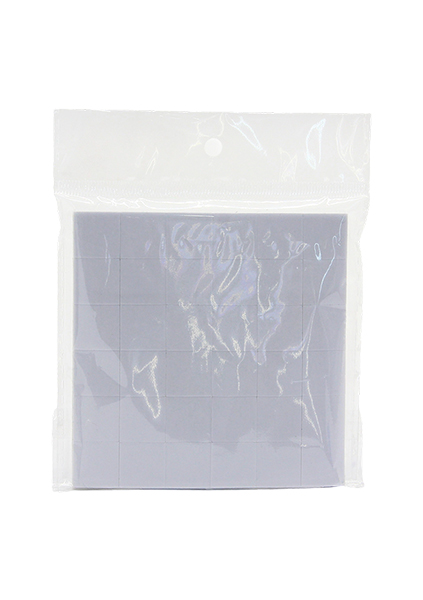
Evolving from Utility to Versatility
Adhesive tapes have undergone a quiet transformation. What was once considered a basic office supply is now engineered for multiple use cases.
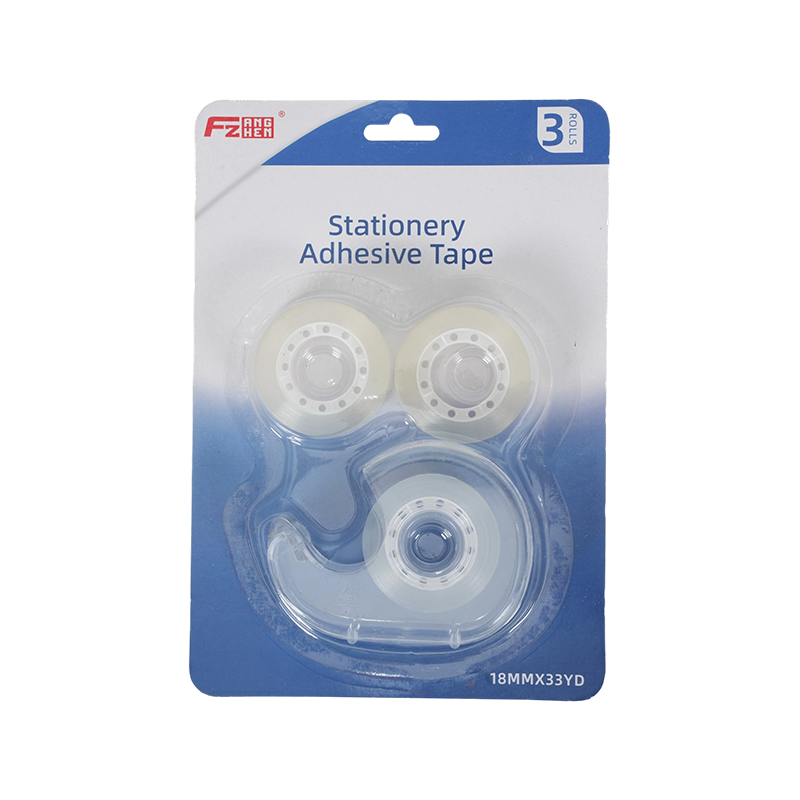
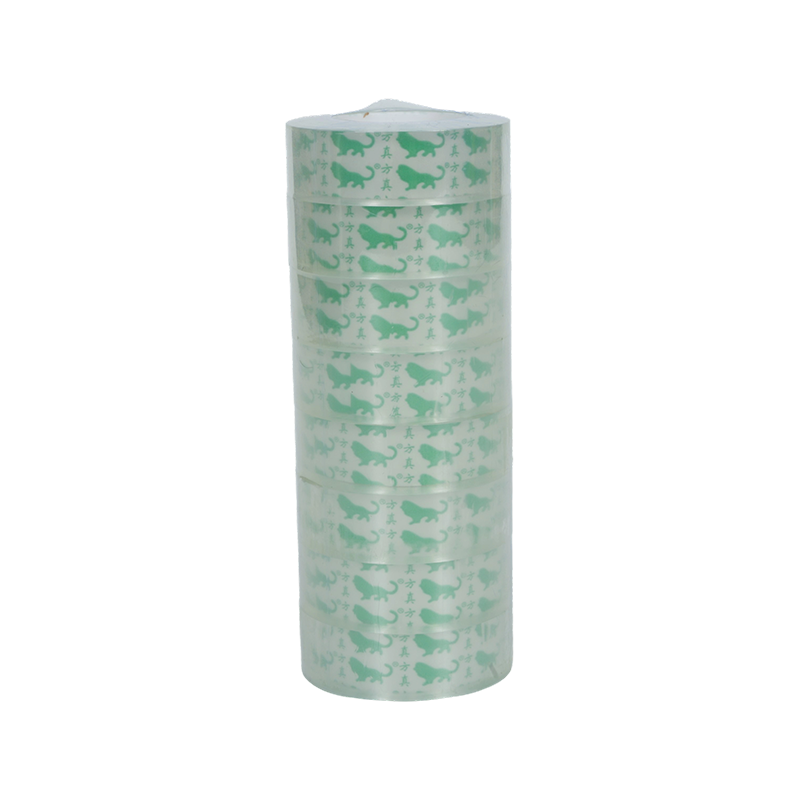
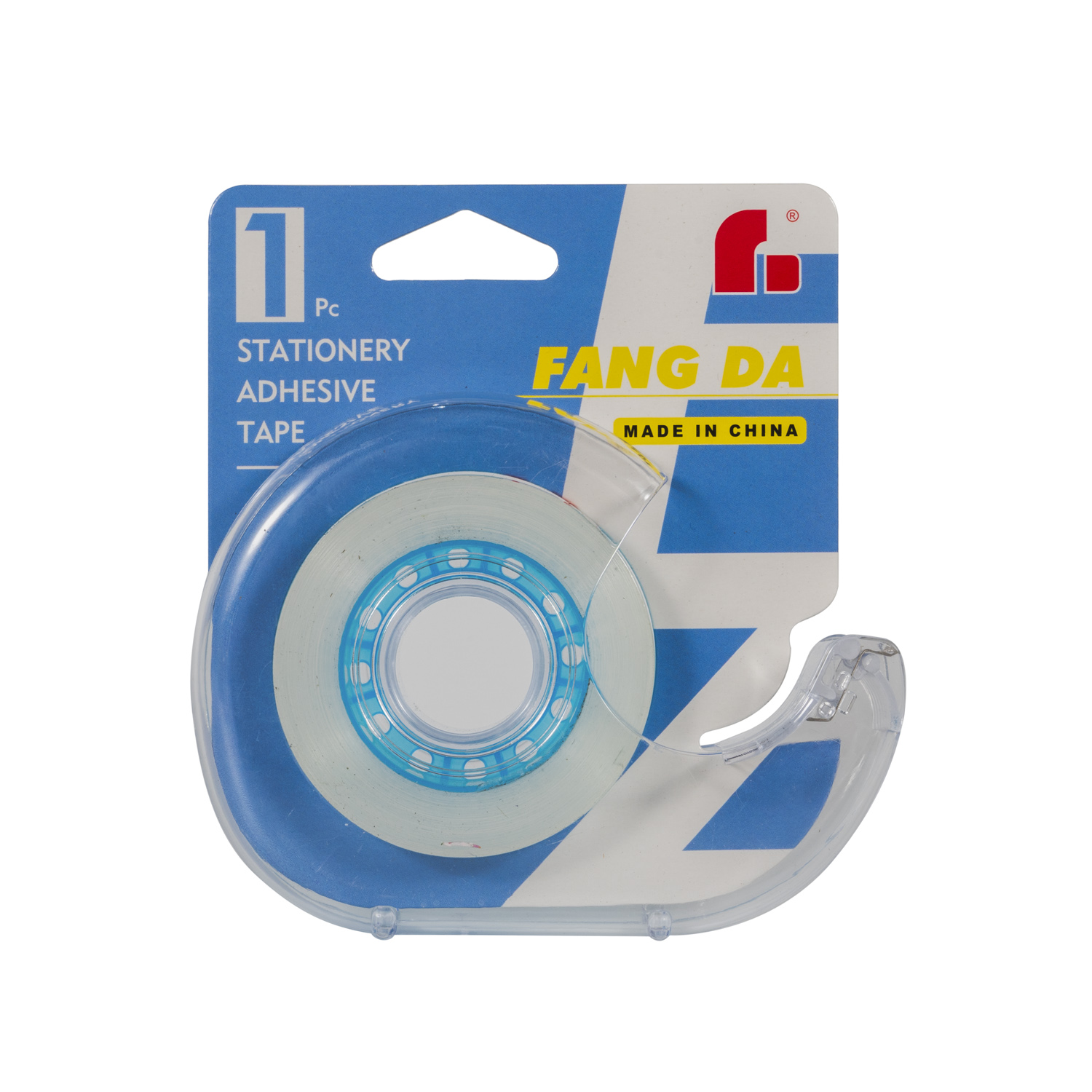
Stationery Tape offers clean application, transparency, and convenience, making it suitable for packaging, labeling, and everyday handling tasks.
In contrast, Foam Tape is designed for more demanding applications, providing thickness, flexibility, and the ability to bond uneven surfaces. This versatility allows it to perform well in environments where traditional adhesives may fall short.
Supporting Creative Industries and DIY Trends
One of the recent trends across global social platforms is the rise of DIY culture, creative journaling, and personalized packaging.
Stationery tape is widely used in scrapbooking, decorative packaging, and craft projects due to its ease of handling and clean finish. Foam tape, with its dimensional properties, is frequently used to create layered effects in crafts and displays.
This growing interest in customization and creativity has increased demand for aesthetically pleasing and user-friendly adhesive products.
Enhancing Efficiency in Light Industrial Applications
Beyond creative uses, both tape types contribute significantly to industrial efficiency.
In light manufacturing and assembly, foam tape is often used for mounting components, reducing vibration, and filling gaps between surfaces. Its ability to provide cushioning while maintaining strong adhesion makes it suitable for electronics, signage, and interior installations.
Stationery tape, on the other hand, remains a reliable solution for sealing, bundling, and temporary fixing tasks, especially in packaging and logistics operations.
Material Design and Functional Performance
The performance of adhesive tapes depends largely on their material composition.
Stationery tape is typically produced using biaxially oriented polypropylene (BOPP) film combined with acrylic adhesives, offering clarity, durability, and smooth unwinding.
Foam tape is constructed from PE or EVA foam bases with pressure-sensitive adhesives, enabling it to adapt to irregular surfaces while maintaining stable bonding strength.
This difference in structure allows each product to serve distinct but complementary roles.
Key Advantages for Professional Buyers
For distributors, engineers, and procurement managers, selecting the right tape involves evaluating both functionality and efficiency. Key advantages include:
- Adaptability to different surfaces and environments
- Consistent performance in both manual and automated processes
- Reduced need for additional fastening tools
- Clean and efficient application with minimal residue
These benefits contribute to smoother workflows and lower operational complexity.
Customization and Market Adaptability
As market preferences continue to evolve, customization has become a key consideration. Manufacturers now offer flexible options to meet diverse requirements:
Adjustable thickness and adhesive strength for specific applications
Color and design variations for branding and retail appeal
Multiple roll sizes for different usage scenarios
Packaging solutions tailored for bulk or consumer markets
This adaptability allows businesses to align their products with local market trends and customer expectations.
Best Practices for Application and Storage
To ensure optimal performance, users should follow a few practical guidelines:
- Apply tape on clean, dry surfaces to maximize adhesion
- Use appropriate pressure to secure bonding, especially for foam tape
- Avoid prolonged exposure to extreme temperatures or humidity
- Store products in controlled environments to maintain quality
These simple steps can significantly improve product reliability and user experience
A Small Component with Significant Impact
As industries and consumer behaviors continue to evolve, even small materials like adhesive tapes can have a meaningful impact on efficiency and creativity.
By combining practicality with adaptability, Stationery Tape and Foam Tape provide reliable solutions for a wide range of applications—from daily office tasks to specialized industrial uses. Their continued development reflects the growing demand for materials that are both functional and responsive to modern workflow needs.


Social Info
Products
- 2026 New Products
- Packing Tape
- Duct Tape
- Masking Tape
- Double-Sided Tape
- Stationery Tape
- Nano Tape
- Foam Tape
- Foam Patch
- Special Adhesive Tape
- Kraft Paper Tape
- Glue Stick
Contact Us
-
 +86-13957952299
-
 salesteam@fangzhentape.com
-
 21 Juxian Road, Shangxi Town, Yiwu City, Zhejiang Province, China
Mobile QR Code
Copyright © 2025 Zhejiang Yiwu City Fangzhen Plastic Co., LTD.
China Adhesive Tape

