

 ENG
ENG
 Español
 عربى
عربى


Why Packaging Materials Like Tapes Are Becoming More Critical in Modern Supply Chains?
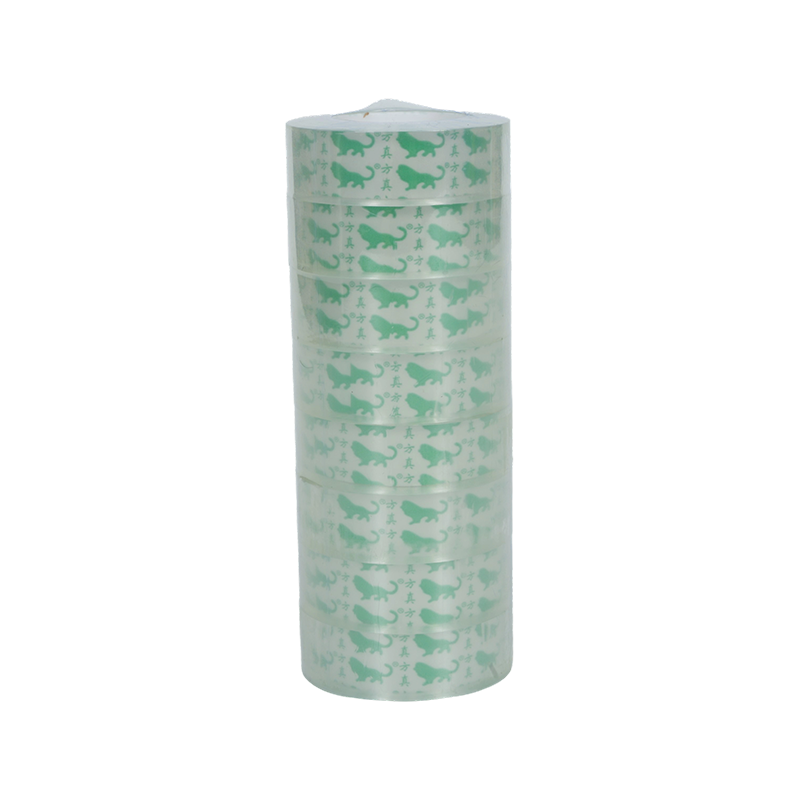
In today’s global logistics and manufacturing environment, efficiency, product protection, and cost optimization are driving rapid innovation in adhesive materials. As a professional manufacturer specializing in Packing Tape, we have observed a strong shift in buyer expectations across e-commerce fulfillment centers, industrial packaging lines, and cross-border logistics operations. At the same time, Foam Tape is gaining attention in engineering and assembly applications due to its cushioning, sealing, and vibration-damping performance.
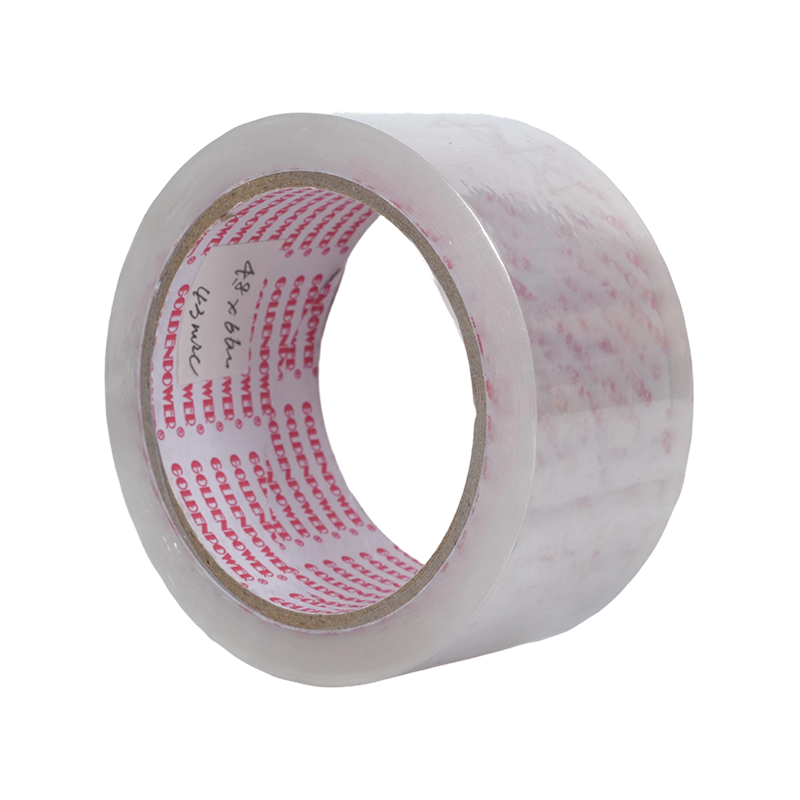
E-commerce Growth and the Rising Demand for Reliable Sealing Solutions
The continuous expansion of global e-commerce has significantly increased parcel volumes, which directly impacts packaging material requirements. Industry reports show that packaging tapes are evolving from simple sealing tools into essential components of logistics efficiency and product safety systems .
For warehouse operators and fulfillment centers, consistent sealing strength is now a priority. Poor-quality tape can lead to box failure, product damage, and increased return rates. As a result, buyers are increasingly focusing on adhesive stability under humidity, temperature variation, and long-distance transportation conditions.
Material Structure and Performance Engineering
Modern packing tape is no longer a single-layer consumable product. It typically consists of:
- BOPP or PET film backing for tensile strength
- Acrylic or hot-melt adhesive systems for stable bonding
- Controlled thickness design for balance between flexibility and durability
These structural improvements ensure reliable adhesion on corrugated cardboard surfaces, even under high-speed automated packaging lines. In many factories, compatibility with carton sealing machines is now a standard requirement rather than an optional feature.
Industrial Applications Across Multiple Sectors
Packing tape and foam tape serve very different but complementary roles across industries:
- Logistics and warehouse packaging
- Electronics assembly and cushioning protection
- Automotive interior component bonding
- Construction sealing and gap filling
- Household appliance installation and shock absorption
Recent discussions among engineers highlight the growing preference for multi-functional adhesive materials that can reduce mechanical fastening needs while improving assembly efficiency.
Foam Tape in Engineering and Structural Bonding
Foam tape has become increasingly important in precision manufacturing environments. Its compressible structure allows it to adapt to uneven surfaces while maintaining strong adhesion. In automotive and electronics industries, it is often used for vibration reduction, sealing gaps, and protecting sensitive components from mechanical stress.
A key trend is the use of closed-cell foam materials combined with acrylic adhesive systems. This combination enhances resistance to moisture, aging, and thermal expansion, making it suitable for both indoor and semi-outdoor applications.
Manufacturing Standards and Quality Control Systems
As a manufacturer, maintaining consistent performance across batches is essential. Our production process typically includes:
- Raw material inspection for film and adhesive stability
- Coating uniformity control during adhesive application
- Tension and thickness calibration for backing materials
- Aging resistance testing under simulated storage conditions
- Adhesion performance evaluation on different surface types
Each stage is designed to ensure that both packaging and industrial-grade tape products meet the expectations of global buyers and engineering applications.
Application Guidelines and Usage Considerations
To ensure optimal performance, users should consider several practical factors:
- Surface must be clean and dry before application
- Pressure should be applied evenly during sealing
- Storage should avoid direct sunlight and high humidity
- Temperature range should match adhesive specifications
- Foam tape should be compressed properly during installation for full contact adhesion
These small but important practices can significantly improve bonding reliability and extend material lifespan in real-world applications.
Market Outlook and Industry Development Trends
Across global social media and procurement platforms, there is increasing discussion around sustainability, automation compatibility, and cost efficiency in packaging materials. Manufacturers are responding by developing thinner films, stronger adhesives, and recyclable material structures.
At the same time, demand for high-performance foam-based solutions continues to grow in sectors requiring noise reduction, impact protection, and structural bonding alternatives to mechanical fasteners.
In conclusion, both logistics packaging and industrial assembly are evolving toward more efficient and material-optimized solutions. As a result, demand for high-reliability Foam Tape solutions continues to expand, especially in industries seeking improved bonding performance, reduced assembly complexity, and enhanced product protection in modern manufacturing environments.

Social Info
Products
- 2026 New Products
- Packing Tape
- Duct Tape
- Masking Tape
- Double-Sided Tape
- Stationery Tape
- Nano Tape
- Foam Tape
- Foam Patch
- Special Adhesive Tape
- Kraft Paper Tape
- Glue Stick
Contact Us
-
 +86-13957952299
-
 salesteam@fangzhentape.com
-
 21 Juxian Road, Shangxi Town, Yiwu City, Zhejiang Province, China
Mobile QR Code
Copyright © 2025 Zhejiang Yiwu City Fangzhen Plastic Co., LTD.
China Adhesive Tape

