

 ENG
 Español
 عربى



One Nano Tape for Every Application? Why Product Specifications Matter More Than Buyers Think
As demand for convenient mounting and reusable adhesive solutions continues to grow, Nano Tape is appearing in more product categories, from household organization and DIY decoration to retail displays and light-duty assembly. However, buyers sourcing products for different markets may discover that one tape specification does not perform equally well in every application. A product designed for mounting lightweight decorations may not be suitable for supporting heavier objects or bonding materials with different surface properties. From a manufacturer's perspective, selecting the right Nano Tape requires more than comparing roll length and thickness. Adhesive formulation, material compatibility, holding requirements, and intended use should all be considered before confirming a wholesale order.
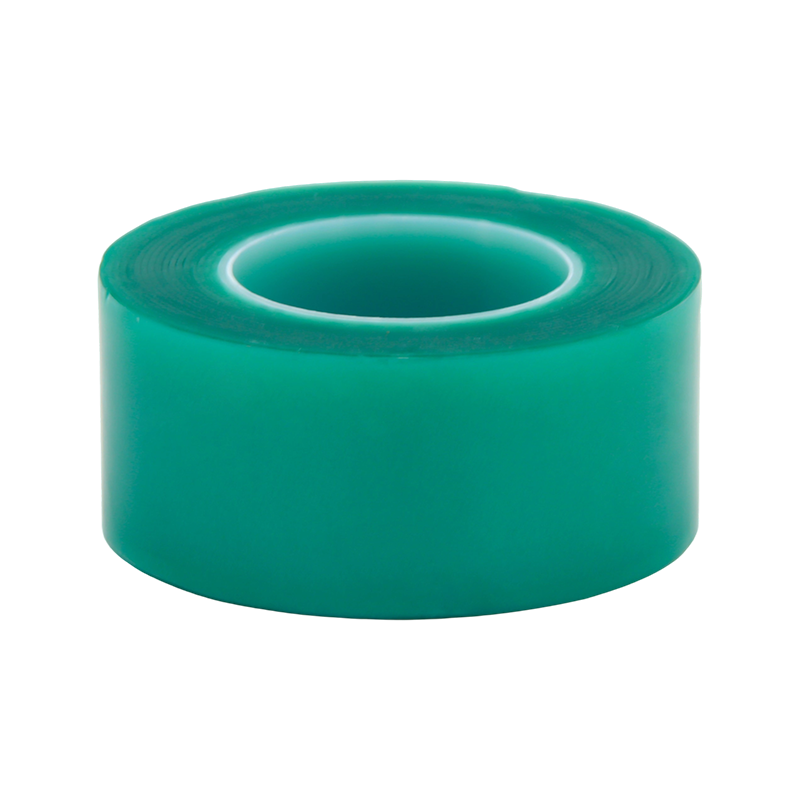
Why Do Different Applications Require Different Tape Specifications?
The requirements of a household user are not necessarily the same as those of a commercial buyer. Consumers may prioritize transparent appearance, convenient cutting, and easy handling. Retail display companies may pay more attention to stable positioning and consistent dimensions, while product assemblers may need specific widths or thicknesses.
Manufacturers should therefore understand the intended application before recommending a product. Important questions include:
- What materials will the tape bond?
- Will it be used indoors or outdoors?
- Is the application temporary or long-term?
- Will the load create pulling, sliding, or peeling forces?
- Does the customer require a transparent or customized appearance?
These details help buyers avoid selecting products based only on general descriptions such as strong adhesion or reusable design.
Does Tape Thickness Determine Holding Performance?
Thickness is an important specification, but it should not be treated as the only indicator of adhesive strength. A thicker gel layer may offer greater flexibility when contacting certain surfaces, while the actual holding performance also depends on adhesive properties, contact area, and the condition of the bonded materials.
For example, a tape used to secure a lightweight cable organizer has different requirements from one used to hold a decorative object against a vertical surface. The direction of the applied force also matters. A product that performs well under one loading condition may behave differently when exposed to continuous downward movement.
Buyers should compare complete product specifications and request application-based testing rather than choosing solely by thickness.
How Should Manufacturers Evaluate Surface Compatibility?
Surface compatibility is a key part of product development. Glass, polished metal, glazed ceramic, and certain plastics can provide relatively smooth contact areas. Textured walls, dusty surfaces, and materials with low surface energy may create more challenging bonding conditions.
Manufacturers should avoid describing a tape as suitable for every surface without qualification. A more responsible approach is to identify recommended substrates and explain any limitations.
For wholesale buyers, sample testing should include the actual materials used by their customers. This is particularly important for products intended for painted walls, furniture finishes, or plastic components, where surface damage or weak bonding may become a concern.
Why Should Buyers Pay Attention to Adhesive Consistency?
Even when two rolls have the same dimensions, differences in adhesive distribution or material consistency may affect their handling and application performance.
During manufacturing, attention should be given to the uniformity of the adhesive layer, tape thickness, transparency, edge condition, and release liner quality. These details influence how easily the tape can be cut, handled, applied, and removed.
For distributors purchasing in bulk, consistent product appearance and specifications also make it easier to maintain the same product description across different batches.
Can Reusable Tape Meet Every Customer's Expectations?
Washable and reusable features are attractive selling points, particularly for consumers interested in flexible household mounting solutions. However, reusable does not mean that adhesive performance remains unchanged under every condition.
Dust, oil, lint, repeated stretching, and incomplete drying can affect the exposed adhesive surface. Cleaning instructions should follow the specific product's technical guidance. Buyers should also avoid promising unlimited reuse or identical holding performance after every cleaning cycle.
Clear instructions can help customers understand how to clean, dry, store, and reuse the tape appropriately.
What Should Be Confirmed Before Placing a Bulk Order?
Before approving mass production, buyers should establish a clear specification sheet with their supplier. It should cover dimensions, adhesive characteristics, liner material, packaging format, and intended applications.
A practical sample evaluation can include:
- Initial adhesion on the target substrate.
- Resistance to sliding under the intended load.
- Removal behavior after the specified bonding period.
- Appearance and dimensional consistency.
- Performance after cleaning, if reuse is a product feature.
Testing under realistic conditions gives buyers a stronger basis for product selection and helps manufacturers identify adjustments before production begins.
Building a More Competitive Nano Tape Product Range
For overseas importers and distributors, product variety should be based on actual application requirements rather than simply offering more sizes. A carefully planned range can include different thicknesses, widths, adhesive characteristics, and packaging formats for distinct customer groups.
From a manufacturing perspective, understanding the target market and maintaining consistent specifications are essential to developing suitable products. Buyers evaluating a Nano Tape supplier should prioritize technical communication, sample verification, and transparent application guidance. These factors help create a product range that meets practical expectations and supports long-term business relationships.


Social Info
Products
- 2026 New Products
- Packing Tape
- Duct Tape
- Masking Tape
- Double-Sided Tape
- Stationery Tape
- Nano Tape
- Foam Tape
- Foam Patch
- Special Adhesive Tape
- Kraft Paper Tape
- Glue Stick
Contact Us
-
 +86-13957952299
-
 salesteam@fangzhentape.com
-
 21 Juxian Road, Shangxi Town, Yiwu City, Zhejiang Province, China
Mobile QR Code
Copyright © 2025 Zhejiang Yiwu City Fangzhen Plastic Co., LTD.
China Adhesive Tape

