

 ENG
 Español
 عربى



Why Does Nano Tape Sometimes Lose Its Grip? A Manufacturer's Guide to Better Adhesion
Nano Tape has become a popular option for home organization, DIY projects, temporary mounting, and everyday product installation. Its transparent appearance, flexible gel structure, and reusable design make it attractive to consumers who want to avoid drilling holes or using permanent adhesives. However, buyers sometimes encounter a frustrating problem: the tape holds an object securely at first but gradually loses its grip. From a manufacturer's perspective, this issue is not always caused by the adhesive itself. Surface conditions, application methods, load distribution, and product specifications all influence performance. Understanding these factors helps distributors and importers select a suitable Nano Tape product for their target markets.
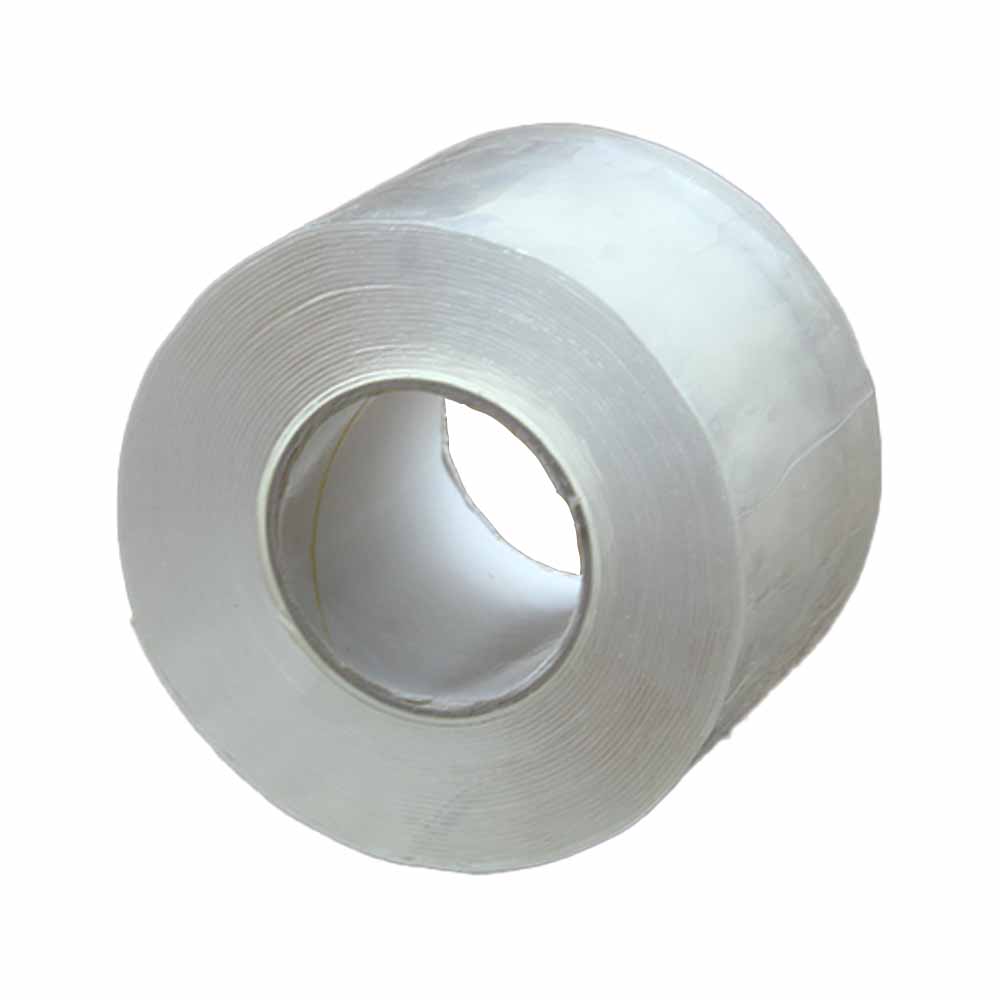
Why Does Nano Tape Fail on Certain Surfaces?
One common misunderstanding is that reusable adhesive tape works equally well on every material. In practice, adhesion depends heavily on the contact between the gel adhesive and the mounting surface.
Smooth, clean, and non-porous materials such as glass, ceramic tiles, and certain metal surfaces generally provide more suitable contact conditions. Dust, oil, moisture, and loose paint can interfere with adhesion, reducing the effective contact area.
Buyers should also distinguish between smooth and textured surfaces. Rough walls, unfinished wood, and uneven materials may prevent the adhesive from making sufficient contact. Manufacturers should communicate these limitations clearly rather than presenting Nano Tape as a universal mounting solution.
Does Application Method Affect Holding Performance?
Even a suitable tape may perform poorly when applied incorrectly. Excessive stretching, incomplete contact, or adding weight immediately after installation can affect the result.
For better application, users should follow a few basic steps:
- Clean the mounting surface and allow it to dry completely.
- Cut the tape to an appropriate size without stretching it.
- Press the tape firmly against the surface.
- Remove the protective liner carefully.
- Attach the object and apply even pressure.
- Follow the recommended waiting time before loading the installation.
Clear usage instructions are valuable for distributors because they help reduce complaints caused by incorrect application.
How Should Buyers Evaluate Load Capacity?
Holding capacity is one of the first specifications customers look for when purchasing Nano Tape. However, a load rating should never be considered independently of its testing conditions.
The actual result may change according to tape thickness, contact area, surface material, temperature, installation direction, and the shape of the attached object. A load applied vertically can create different stress from one distributed across a horizontal surface.
As manufacturers, we recommend evaluating product samples under realistic application conditions. Buyers should ask suppliers how holding capacity is tested and whether the stated values apply to static loads, specific surfaces, or particular installation methods.
What Makes Reusable Nano Tape Different from Ordinary Double-Sided Tape?
Conventional double-sided tape and reusable nano gel tape may look similar, but their intended use can differ. Many conventional tapes are designed for a relatively permanent bond, while reusable gel tape is developed for applications where removal and repositioning are important.
Some Nano Tape products can be washed to remove accumulated dust and restore part of their adhesive performance after drying. However, repeated use does not mean unlimited reuse. Material condition, contamination, stretching, and cleaning methods can all influence service life.
For wholesale buyers, explaining this distinction helps establish realistic customer expectations and reduces confusion between different adhesive tape categories.
Which Product Details Should Manufacturers Control?
Consistent manufacturing requires attention to the complete product structure, not just its adhesive surface. Thickness, width, transparency, liner quality, and dimensional consistency can all influence how the finished tape is used and packaged.
During supplier evaluation, buyers should pay attention to:
- Thickness and dimensional tolerances.
- Adhesive consistency and surface appearance.
- Release liner removal and handling.
- Roll length and width accuracy.
- Packaging protection against dust and contamination.
These details are particularly relevant for private label orders, where products need to maintain consistent specifications across different batches.
Are Customized Specifications Worth Considering?
Different sales channels require different product presentations. E-commerce sellers may prefer convenient household rolls, while hardware distributors may need multiple widths or longer roll formats. Promotional product suppliers may also require customized packaging, labeling, or branding.
Manufacturers should discuss the intended application before confirming a specification. Adjusting thickness, dimensions, adhesive characteristics, and packaging may help create a product that better matches the buyer's market. Sample testing should remain part of this process, especially when a new material or application is involved.
Making Nano Tape a More Reliable Product Choice
Successful Nano Tape sourcing involves more than comparing roll lengths and advertised holding capacity. Buyers need to understand surface compatibility, application conditions, reuse limitations, and manufacturing consistency.
From a manufacturer's standpoint, providing clear specifications and practical product guidance is essential to helping distributors select suitable solutions. By evaluating samples under real usage conditions and communicating application requirements early, overseas buyers can make more informed purchasing decisions and build a product range that meets customer expectations.

Social Info
Products
- 2026 New Products
- Packing Tape
- Duct Tape
- Masking Tape
- Double-Sided Tape
- Stationery Tape
- Nano Tape
- Foam Tape
- Foam Patch
- Special Adhesive Tape
- Kraft Paper Tape
- Glue Stick
Contact Us
-
 +86-13957952299
-
 salesteam@fangzhentape.com
-
 21 Juxian Road, Shangxi Town, Yiwu City, Zhejiang Province, China
Mobile QR Code
Copyright © 2025 Zhejiang Yiwu City Fangzhen Plastic Co., LTD.
China Adhesive Tape

