

 ENG
ENG
 Español
 عربى
عربى


Why Does Masking Tape Perform Differently on Different Surfaces?
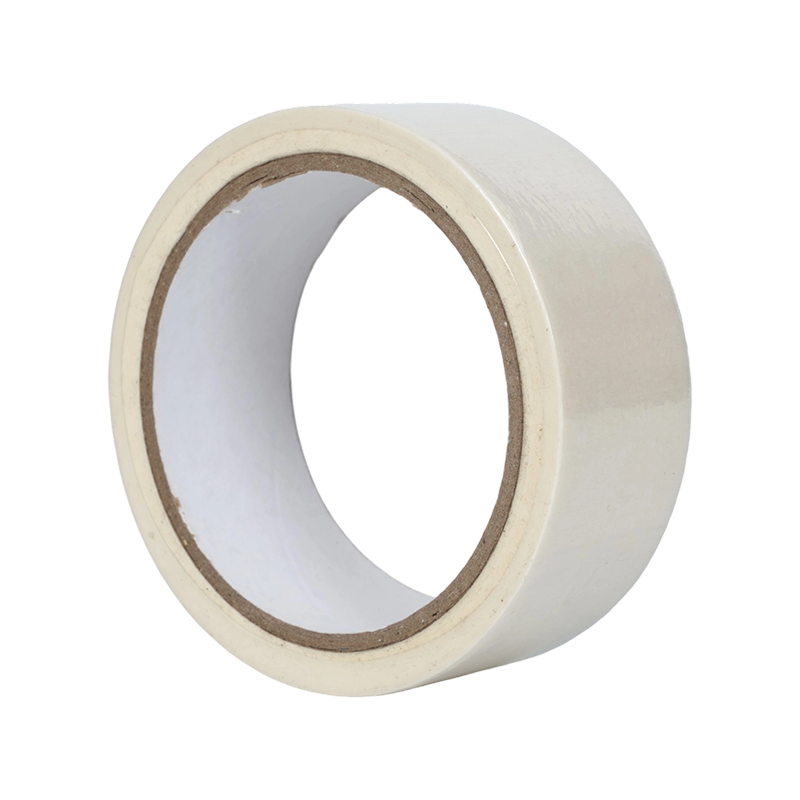
A masking tape that works well on painted metal may behave differently when applied to plastic, glass, wood, rubber, or a freshly coated surface. The reason is not simply the tape itself. Adhesive chemistry, backing material, surface energy, texture, temperature, and application conditions all influence the final result. For buyers sourcing Masking Tape in bulk, understanding these variables can make product selection more accurate and reduce problems such as edge lifting, adhesive transfer, paint bleed, or difficult removal.
Surface Condition Comes Before Adhesive Selection
Even a well-engineered adhesive cannot perform consistently on a poorly prepared surface. Dust, oil, moisture, loose particles, and uncured coatings can prevent proper contact between the adhesive and substrate.
Surface condition is particularly important for industrial and automotive applications where different materials may be processed within the same production line. Before selecting a tape, buyers should consider whether the surface is clean, dry, smooth, textured, painted, coated, or sensitive to adhesive contact.
As a tape manufacturer, we evaluate the intended substrate together with the required adhesion level rather than treating adhesive strength as an isolated specification.
Why One Adhesive Does Not Fit Every Application
Adhesive formulation directly affects how masking tape bonds, holds, and releases. A tape intended for temporary indoor painting may require a different adhesive balance from one designed for automotive refinishing, outdoor masking, or industrial coating.
The selection process may involve several considerations:
- Required initial tack and holding power
- Surface sensitivity and coating condition
- Expected masking duration
- Temperature and moisture exposure
- Compatibility with paints, solvents, or chemicals
- Required removal performance
The objective is to achieve sufficient adhesion without making removal unnecessarily difficult. Current masking tape development is increasingly focused on application-specific performance, including clean removal, edge control, UV stability, and compatibility with different coating systems.
Backing Material Also Changes Tape Performance
Adhesive is only one part of a masking tape. The backing determines how easily the tape conforms to curves, corners, uneven surfaces, and detailed areas.
Crepe paper is commonly used because it can provide flexibility and practical hand-tearing characteristics. Other backing constructions may be selected when an application requires greater dimensional stability, moisture resistance, temperature resistance, or surface conformity.
For automotive refinishing, for example, thin and conformable tape can help create cleaner paint separation around curves and detailed components. Manufacturers therefore need to balance backing strength, flexibility, coating behavior, and adhesive performance during production.
Temperature Can Change Adhesion Behavior
Temperature affects both the adhesive and the substrate. A tape applied in a cool workshop may behave differently from the same product used during a heated coating or drying process.
This is why buyers should provide the expected temperature range and exposure duration when requesting a high temperature masking tape. Temperature resistance should not be considered separately from adhesion and clean removal.
For industrial applications involving heat cycles, manufacturers can select suitable backing and adhesive combinations according to the process conditions. Technical validation under the intended application environment is more useful than relying on a general temperature description.
Removal Performance Matters as Much as Initial Adhesion
Strong adhesion is often attractive during purchasing, but excessive adhesion can create problems when the masking process is finished. Tape may tear, leave adhesive residue, damage a sensitive coating, or require additional cleaning.
A practical masking solution needs a controlled relationship between holding power and release behavior. This becomes particularly important when the tape remains on a surface for several hours or days, or when it is exposed to sunlight, moisture, heat, or coating chemicals.
For professional users, clean removal can directly influence workflow because less residue and fewer damaged surfaces mean less time spent correcting the masking process.
Consistent Manufacturing Is Critical for Bulk Buyers
For distributors and industrial procurement teams, product consistency matters beyond the performance of a single roll. Variations in adhesive coating, backing quality, winding tension, roll dimensions, or slitting accuracy can affect how the tape performs during repeated production use.
A professional tape manufacturer should therefore control the complete manufacturing process, from raw material selection and adhesive preparation to coating, drying, rewinding, slitting, and final inspection.
For OEM and private-label projects, manufacturers can also adjust tape width, roll length, core size, packaging, adhesive characteristics, and backing options according to the customer's application and market requirements.
Select the Tape by Application, Not by Appearance
Two masking tapes may look almost identical while delivering different results on the production floor. The right choice depends on the substrate, coating system, temperature, exposure period, application method, and required removal performance.
For overseas buyers looking for reliable Masking Tape, working directly with a tape manufacturer allows these factors to be evaluated before mass production or bulk purchasing. By combining adhesive formulation, backing selection, coating technology, precision converting, and quality control, a manufacturer can develop masking solutions that are better matched to the actual application rather than simply offering a general-purpose tape for every surface.


Social Info
Products
- 2026 New Products
- Packing Tape
- Duct Tape
- Masking Tape
- Double-Sided Tape
- Stationery Tape
- Nano Tape
- Foam Tape
- Foam Patch
- Special Adhesive Tape
- Kraft Paper Tape
- Glue Stick
Contact Us
-
 +86-13957952299
-
 salesteam@fangzhentape.com
-
 21 Juxian Road, Shangxi Town, Yiwu City, Zhejiang Province, China
Mobile QR Code
Copyright © 2025 Zhejiang Yiwu City Fangzhen Plastic Co., LTD.
China Adhesive Tape

